Mastering Authentic Thai Red Curry Paste: A Flavor Packed Journey
Growing up in a mixed culinary family, I often found myself in the kitchen, stealing spoonfuls of fragrant sauces while my mom expertly whipped up her beloved dishes. One that always stood out was her Authentic Thai Red Curry Paste Recipe. The moment the rich aroma of garlic and spices filled the air, I knew something delicious was about to happen. As I got older, I learned that a homemade curry paste was the heart of truly authentic Thai cuisine.
What makes this recipe special is not just the vibrant flavor profile but the love and tradition poured into each ingredient. Unlike those store-bought pastes, which often lack depth and freshness, this recipe allows you to control the heat, flavor, and even quality of the ingredients you’re using. Imagine customizing it to savor those distinct notes that remind you of family gatherings and cozy dinners shared with loved ones!
In this post, I’ll share my cherished version of the Authentic Thai Red Curry Paste Recipe, ensuring your next curry dish sings with harmony and warmth. You’ll learn how to blend robust spices and fragrant herbs into a delightful mix that’s oh-so-satisfying. Let’s dive into the vibrant world of Thai flavors!
What Are Authentic Thai Red Curry Pastes?
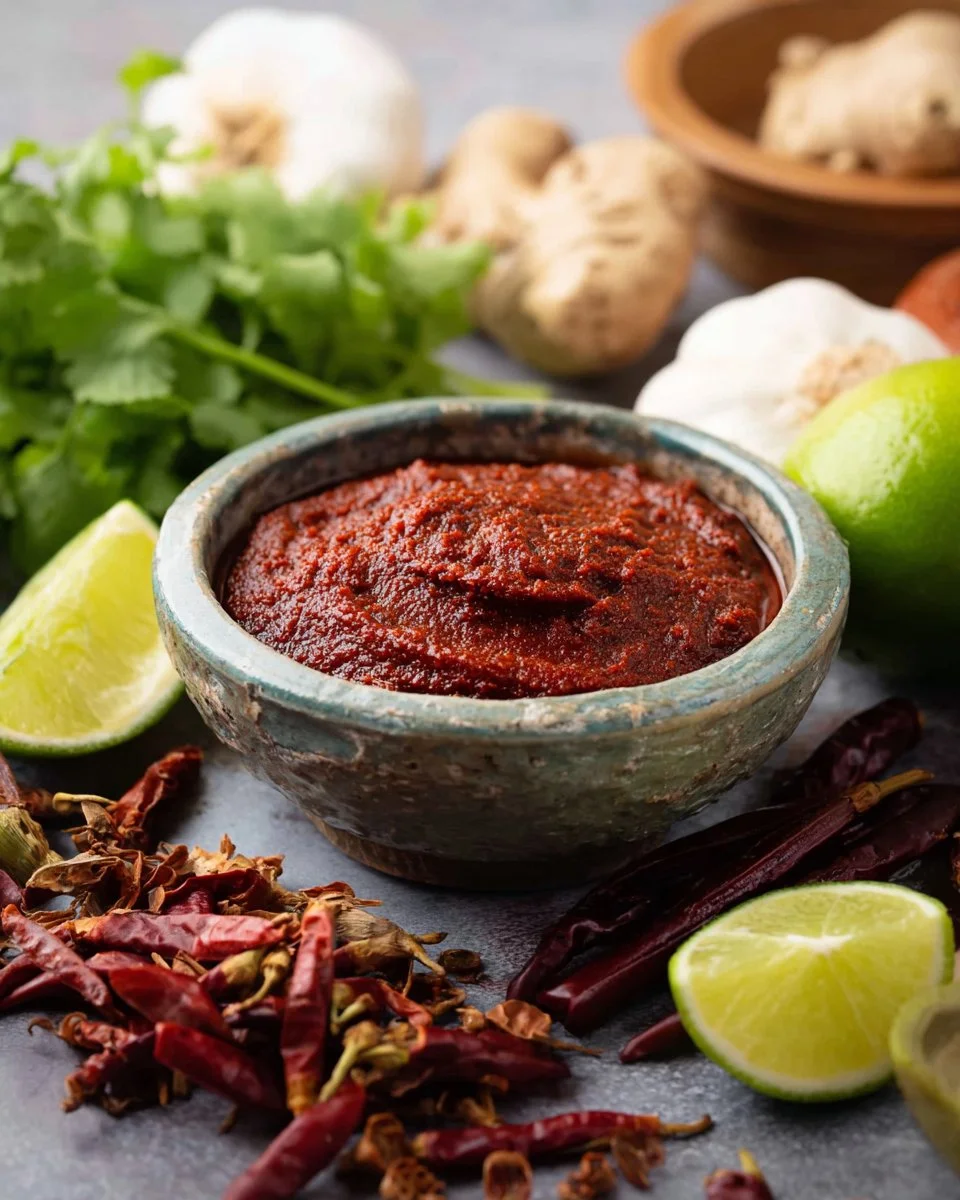
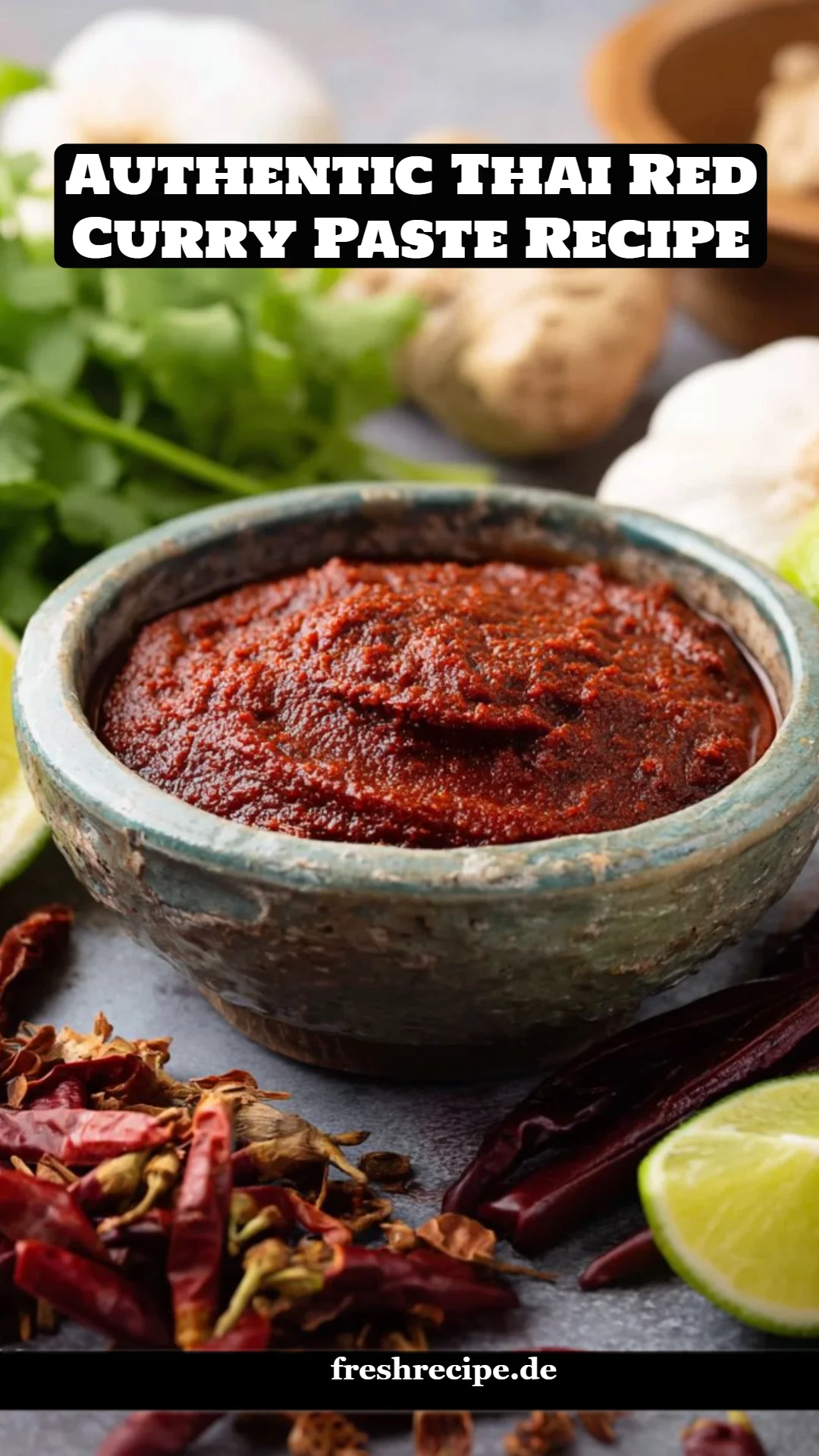
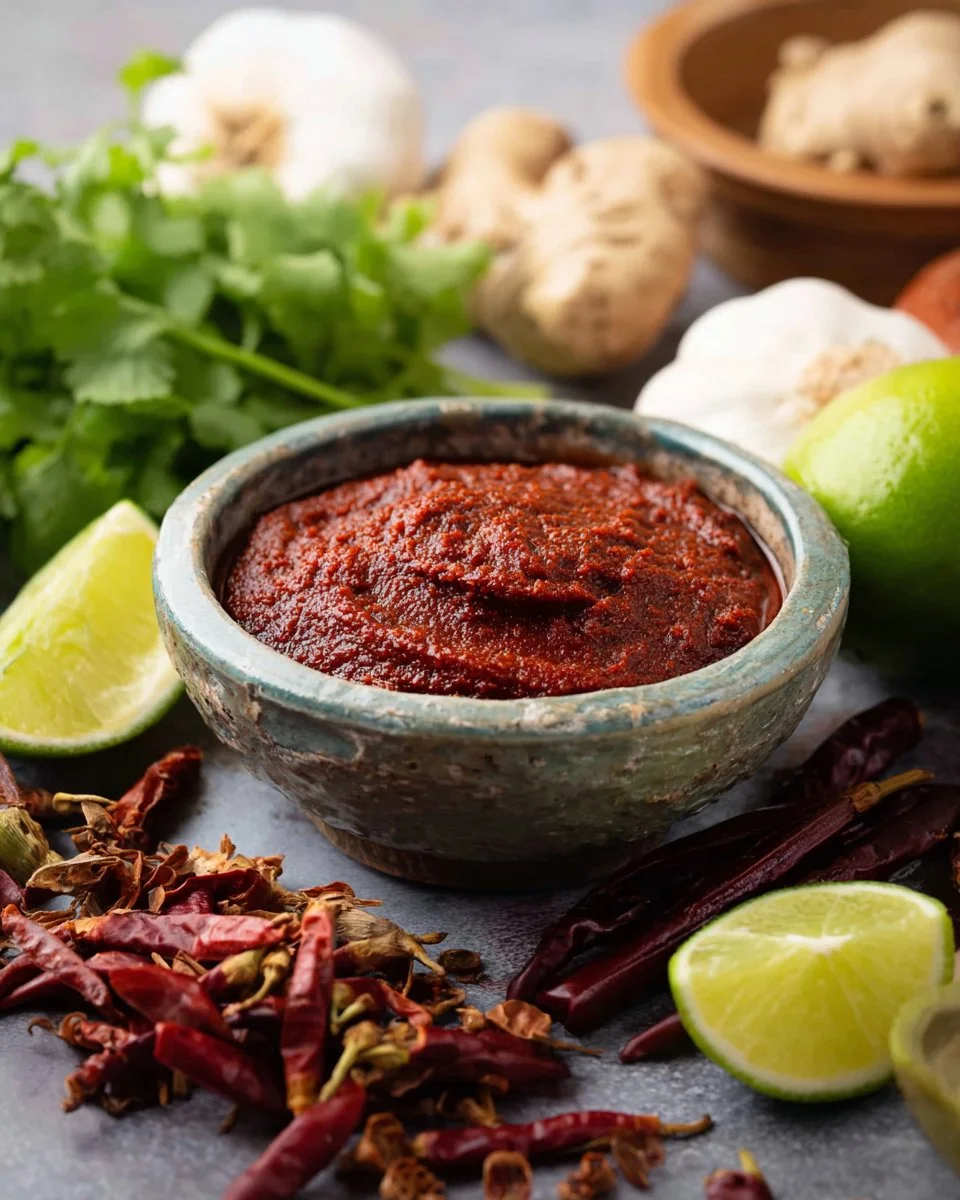
Authentic Thai Red Curry Paste has deep roots in Southeast Asian cooking, with origins tracing back to ancient times when intricate blends of fresh herbs and spices were hustled into preparation for meals that would evoke harmony among family members. The paste itself is a stunning medley of sweet, spicy, and savory flavors, where the heat from dried chilies coats your taste buds while the refreshing touch of lemongrass and galangal adds brightness.
This paste is unique not just because of its bold taste but also due to its versatility. You can utilize it as a foundation for curries, soups, marinades, or even spread it on grilled meats. Making your own ensures that you can adjust the spice level and enrich the paste with fresher ingredients, something that often gets lost in mass-produced versions. Whether it’s a rainy day or a festive occasion, capturing the essence of these pastes means you can elevate any dish into a comforting bowl of memories.
Why You’ll Love This Recipe
Freshness Over Convenience: Nothing beats homemade! You’ll revel in the vibrant flavors that the fresh ingredients bring, unlike the lackluster taste of store-bought options.
Cost-Effective: A mere handful of dried spices and fresh ingredients yield copious amounts of homemade red curry paste, a fraction of the cost compared to retail versions.
Customization Galore: Feel free to adjust the heat by choosing different chili varieties or throw in flavors that speak to your palate—like adding more garlic or even a dash of ginger.
Simple Yet Impactful: This recipe uses either a blender for the easy route or a mortar and pestle for traditionalists. Both ways deliver incredible results without complex techniques.
Time Investment Reward: Prepare a big batch and store it— you’ll save time cooking later while relishing the satisfaction of creating something delicious from scratch!
Creating this paste may seem like a small effort, but trust me, it will propel your Thai dishes to a whole new level of awesomeness.
Ingredients
- 3/4 ounce (20 g) mild dried red chilies, cut into 1/2-inch chunks
- 1/2 ounce (10 g) spicy dried red chilies, cut into 1/2-inch chunks
- 1/2 teaspoon (2.5 ml) white peppercorns
- 1 teaspoon (5 ml) coarse salt
- 1 stalk lemongrass, bottom half only, thinly sliced
- 2 tablespoons (15 g) finely chopped galangal
- 4 cilantro roots or 10-12 cilantro stems, chopped
- 2 teaspoons (10 ml) chopped makrut lime zest
- 6 cloves (30 g) garlic, chopped
- 1/2 cup (70 g) chopped shallots
- 2 teaspoons (10 ml) fermented shrimp paste or miso (if vegan)
- 2 teaspoons (10 ml) coriander seeds (optional, toasted)
- 1 teaspoon (5 ml) cumin seeds (optional, toasted)
Notes on Ingredients Quality/Substitutions:
Using high-quality, fresh spices is crucial for this recipe. Don’t hesitate to visit your local Asian market for the best dried chilies and herbs, as they often have the freshest produce. If you can’t find galangal, ginger can serve as a suitable substitute. Include a good quality shrimp paste for the deepest flavor, or use a vegan miso to keep things plant-based.
Preparation Notes:
- Prepare your ingredients beforehand; having everything chopped and ready will streamline the blending process.
- For optimal flavor, warm up dried spices and coriander in a pan before grinding. This releases oils and boosts their aroma.
Step-by-Step Instructions
Method 1: The Easy Way
Grind the Spices: Start by grinding dry spices (peppercorns, coriander, cumin if using) with a coffee grinder until fine. Then add them to the cut chilies and coarse salt in a bowl.
Blend the Aromatics: In a bowl or using an immersion blender, combine the lemongrass, galangal, cilantro roots, makrut lime zest, garlic, shallots, and shrimp paste. Blend until it turns into a fine paste.
Mix Together: Add the ground chili mixture to the blended aromatic paste and blend again until everything is well combined.
Method 2: Mortar & Pestle
Prep the Chilies: Soak the dried chilies in warm water for at least 30 minutes to soften them up; thereafter, drain.
Grind the Dry Spices: In the mortar, grind the white peppercorns and any other dry spices into a fine powder.
Pound the Chilies: Add the softened chilies and coarse salt, then pound until mixed into a paste. Gradually add the previously ground dry spices.
Incorporate the Aromatics: Toss in the lemongrass, galangal, cilantro roots, and makrut lime zest, continuing to pound until you create a smooth texture.
Add Garlic and Shallots: Introduce the garlic and shallots into the mix and pound until everything is well combined.
Complete the Paste: Finally, mix in the pre-ground chili mix and shrimp paste, ensuring everything is incorporated evenly.
Use immediately or store in the fridge for up to 3 days; it also freezes well for a few months.
Expert Tips & Tricks
Storage Recommendations: To prolong freshness, store the paste in an airtight container. A thin layer of oil on top can help minimize oxidation and preserve flavors.
Make-Ahead Instructions: This paste is perfect for meal prep. Make a batch and portion it out; it could be a game changer for making quick, delicious dinners!
Troubleshooting Common Problems: If your paste seems too watery after blending, add more dried chilies or pounded spices to thicken it up.
Texture Tweaking: If you prefer a chunkier texture, avoid blending too finely and use the mortar and pestle instead. It allows you to control the texture better.
Taste Adjustment: Always start with less shrimp paste; you can add more until it reaches your desired taste without overwhelming the mixture.
Serving Suggestions
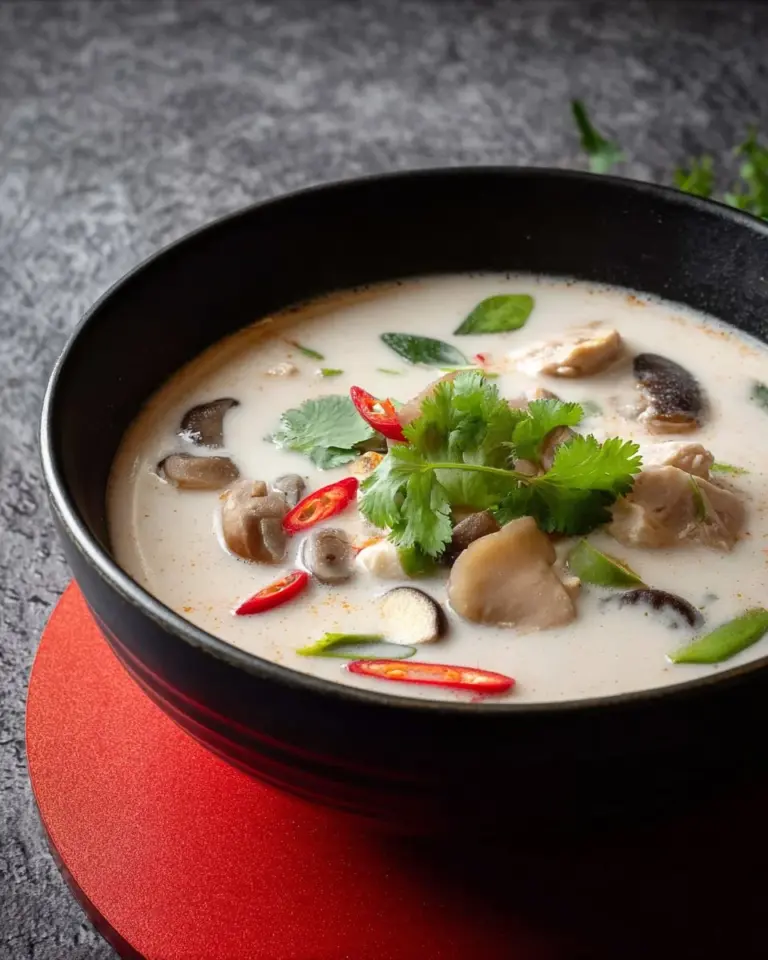
Pair your Authentic Thai Red Curry Paste with creamy coconut milk for a rich curry or stir it into a vegetable stir-fry for a flavor boost. Serve it over steaming jasmine rice, topped with fresh basil and lime wedges. For a beautiful presentation, consider garnishing with chopped cilantro and sliced chilies! This versatile paste can be used for family dinners, special occasions, or casual weeknight meals.
Variations & Substitutions
Different Flavor Combinations: Try experimenting with varying chili types, such as bird’s eye for extra heat, or add a hint of turmeric for color.
Dietary Adaptations: For vegan and vegetarian dishes, always substitute shrimp paste with a quality miso.
Seasonal Variations: During summer, add fresh herbs like Thai basil or mint for a burst of freshness, and in winter, consider a slightly richer version using roasted garlic for added depth and warmth.
Nutrition & Storage Info
- Prep Time: 20 min
- Cook Time: 10 min
- Total Time: 30 min
- Yield: Approximately 1.5 cups
- Estimated Calories per Serving: 50 calories
- Storage Instructions: Store in an airtight container at room temperature for 1 day. Refrigerate for 3 days or freeze for up to 3 months.
FAQ Section
Can I use fresh chilies instead of dried?
- Yes, but note that fresh chilies will change the flavor and can alter the spice level.
What if I can’t find galangal?
- If galangal is unavailable, fresh ginger is an adequate substitute, offering a similar aromatic profile.
Is this recipe gluten-free?
- Absolutely, as long as you ensure the shrimp paste or substitute miso is gluten-free.
How can I adjust the paste to be spicier?
- Add more spicy dried chilies or a few fresh bird’s eye chilies to kick up the heat.
Can I make this paste in bulk?
- Yes! This paste freezes well; just scoop it into small portions for easy use later.
How do I know when it’s perfectly blended?
- The paste should be smooth yet slightly thick and aromatic. Avoid over-blending to retain some texture.
Can I use other herbs in this recipe?
- Yes, feel free to experiment with Thai basil or mint to enhance the flavor.
What are alternative uses for this curry paste?
- Use it in soups, as a marinade for meats, or even in dressings for salads.
How do I store leftover curry paste?
- It’s best stored in an airtight container in the fridge or freezer, depending on how soon you plan to use it.
What’s the difference between Thai curry pastes?
- Each type is crafted with specific spices and herbs, giving them distinct flavors. Red paste typically has red chilies, while green and yellow vary accordingly.
Conclusion
There you have it! This Authentic Thai Red Curry Paste Recipe is not just a guide; it’s a celebration of flavors, heritage, and the joy of cooking. Whether you’re rekindling family traditions or exploring new culinary territories, I encourage you to give this recipe a try. Share your thoughts in the comments or let me know how your creations turned out!
Don’t forget to check out my other Thai-inspired recipes on the blog, where we continue to explore the rich and diverse world of flavors. Your taste buds deserve the adventure!
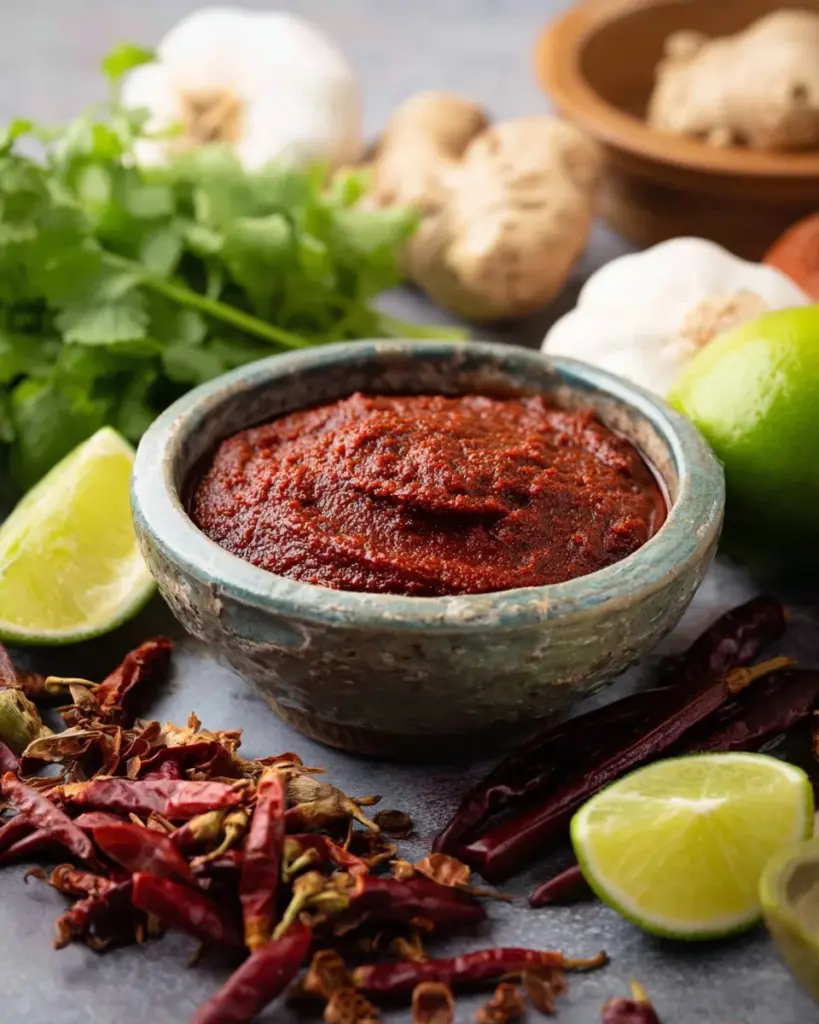
Authentic Thai Red Curry Paste
Ingredients
Method
- Start by grinding dry spices (peppercorns, coriander, cumin if using) with a coffee grinder until fine. Then add them to the cut chilies and coarse salt in a bowl.
- In a bowl or using an immersion blender, combine the lemongrass, galangal, cilantro roots, makrut lime zest, garlic, shallots, and shrimp paste. Blend until it turns into a fine paste.
- Add the ground chili mixture to the blended aromatic paste and blend again until everything is well combined.
- Soak the dried chilies in warm water for at least 30 minutes to soften them up; thereafter, drain.
- In the mortar, grind the white peppercorns and any other dry spices into a fine powder.
- Add the softened chilies and coarse salt, then pound until mixed into a paste. Gradually add the previously ground dry spices.
- Toss in the lemongrass, galangal, cilantro roots, and makrut lime zest, continuing to pound until you create a smooth texture.
- Introduce the garlic and shallots into the mix and pound until everything is well combined.
- Finally, mix in the pre-ground chili mix and shrimp paste, ensuring everything is incorporated evenly.