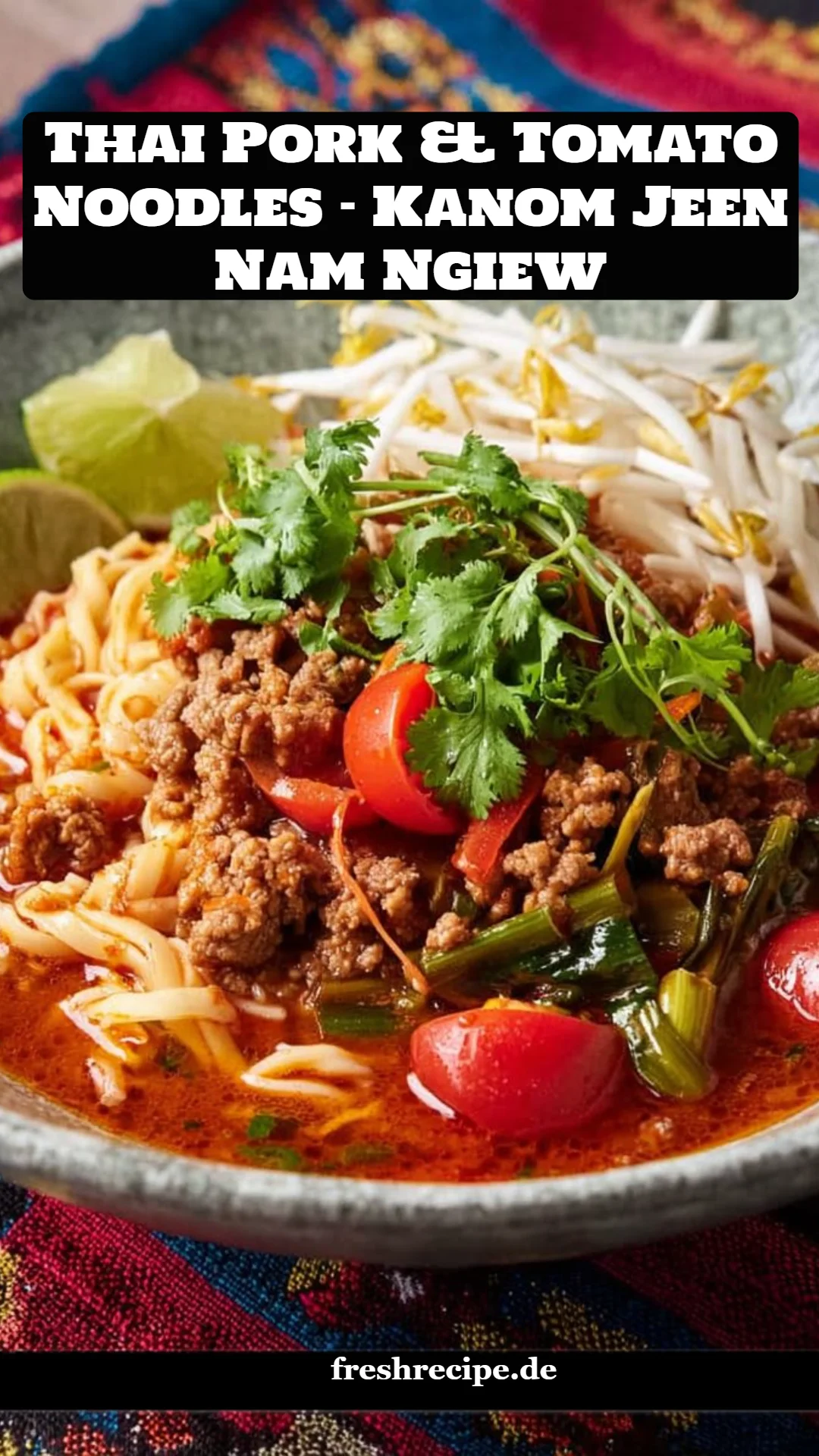
Discover the Joy of Thai Pork & Tomato Noodles – Kanom Jeen Nam Ngiew
Introduction
Imagine this: a rainy Sunday afternoon, the perfect excuse to cozy up in the kitchen with my simmering pot of Thai Pork & Tomato Noodles – Kanom Jeen Nam Ngiew bubbling away. As the aroma fills my home, I can’t help but feel a wave of nostalgia wash over me. Growing up, family gatherings meant bowls of steamy noodle soup, laughter echoing, and each slurp bringing back cherished memories. These noodles, richly flavored with tender pork and the sweetness of tomatoes, made every gathering feel like a festival.
What really sets my recipe apart? It’s the love and care infused in every step and ingredient that elevates it beyond any store-bought noodle soup. The balance of savory and slightly sweet flavors comes from a combination of fresh ingredients and secret family tips—trust me, you’ll have your family asking for seconds! This dish is not just comfort food; it’s my homage to the cherished moments I spent with loved ones.
By the end of this post, you’ll learn not just how to make delicious Kanom Jeen Nam Ngiew, but also how to create lasting memories with every bowl.
What Are Thai Pork & Tomato Noodles – Kanom Jeen Nam Ngiew?
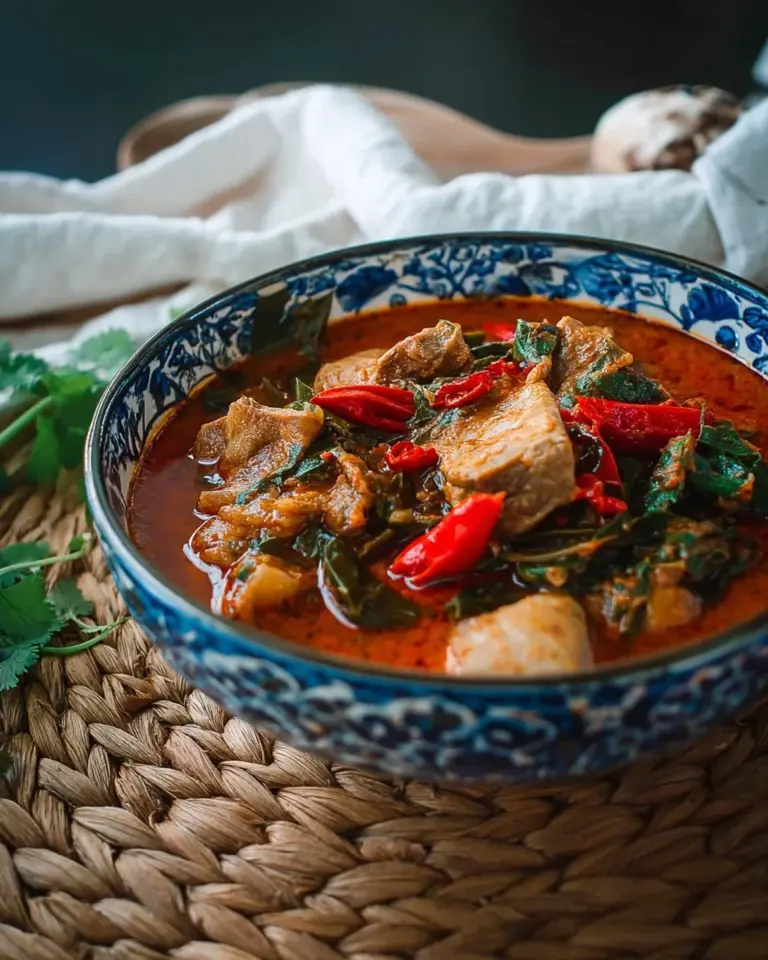
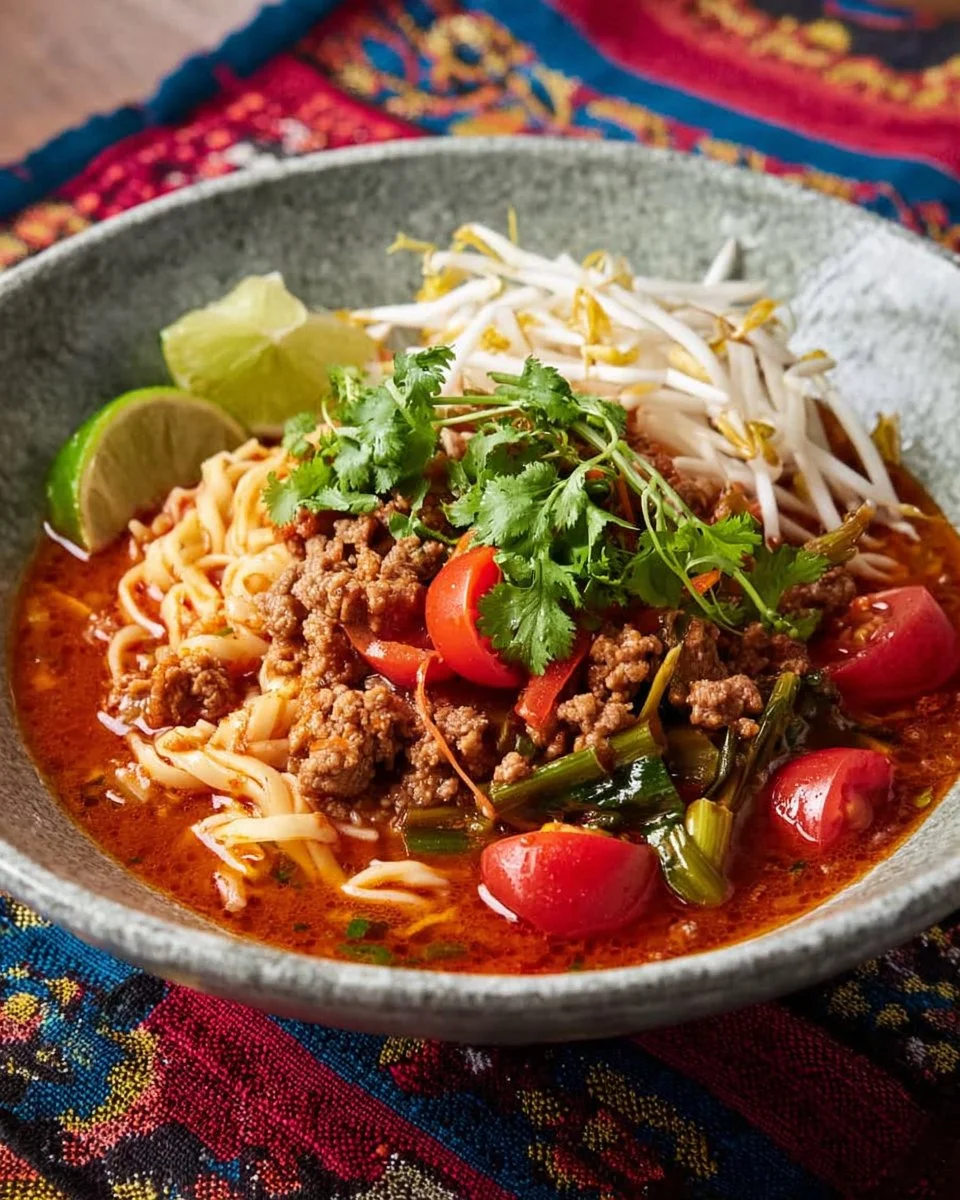
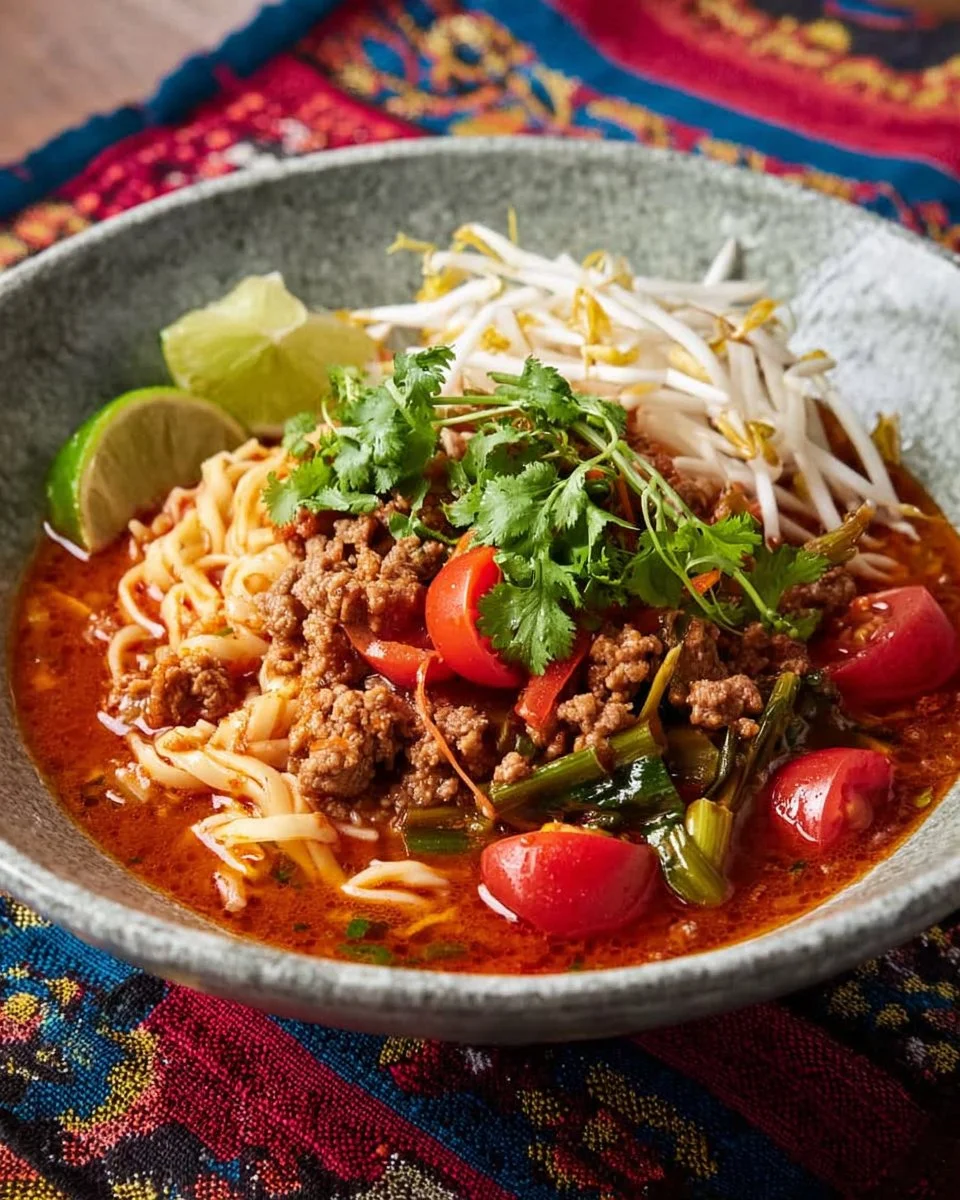
Kanom Jeen Nam Ngiew is a traditional Thai noodle dish hailing from Northern Thailand, known for its bold flavors and comforting texture. Think of it as a bowl of luscious soup combining the heartiness of Asian-style cut pork ribs and the freshness of ripe tomatoes, creating a perfect harmony that is both savory and slightly tangy. Each bite is a delightful dance of flavors that warms the soul.
These noodles stand out because they don’t just fill your stomach; they bring warmth and comfort in every slurp. The dish is typically enjoyed for breakfast or lunch and is often a feature at family gatherings. Perfect for a cozy weeknight meal or a festive occasion, they embody the spirit of Thai culinary tradition. Whether you’re seeking a cozy evening or needing something to wow your guests, Kanom Jeen Nam Ngiew should be your go-to.
Why You’ll Love This Recipe
Authentic Flavors: By crafting your own curry paste and broth, you experience unparalleled freshness, unlike anything from the store. Each ingredient, from the pork ribs to the fresh tomatoes, plays its unique role in creating a flavor explosion.
Cost-Effective: Unlike dining out at a Thai restaurant, making this dish at home can save you dollars while treating you to the same, if not better, experience. Most ingredients are affordable and readily available at your local market.
Customization: This recipe is incredibly versatile! Whether you want it spicy or mild, you can adjust the chilies and add your favorite toppings, like cilantro, lime, or even crispy garlic.
Family-Friendly: Easy enough for a weeknight dinner, yet impressive for entertaining guests, this dish is approachable for cooks of all skill levels. You can easily delegate tasks to involve the whole family in the cooking process!
Leftovers for Days: The flavor deepens and becomes even more vibrant the next day, making your meal prep efficient and delicious.
Rest assured, making this recipe will not only fill your belly but also your heart.
Ingredients
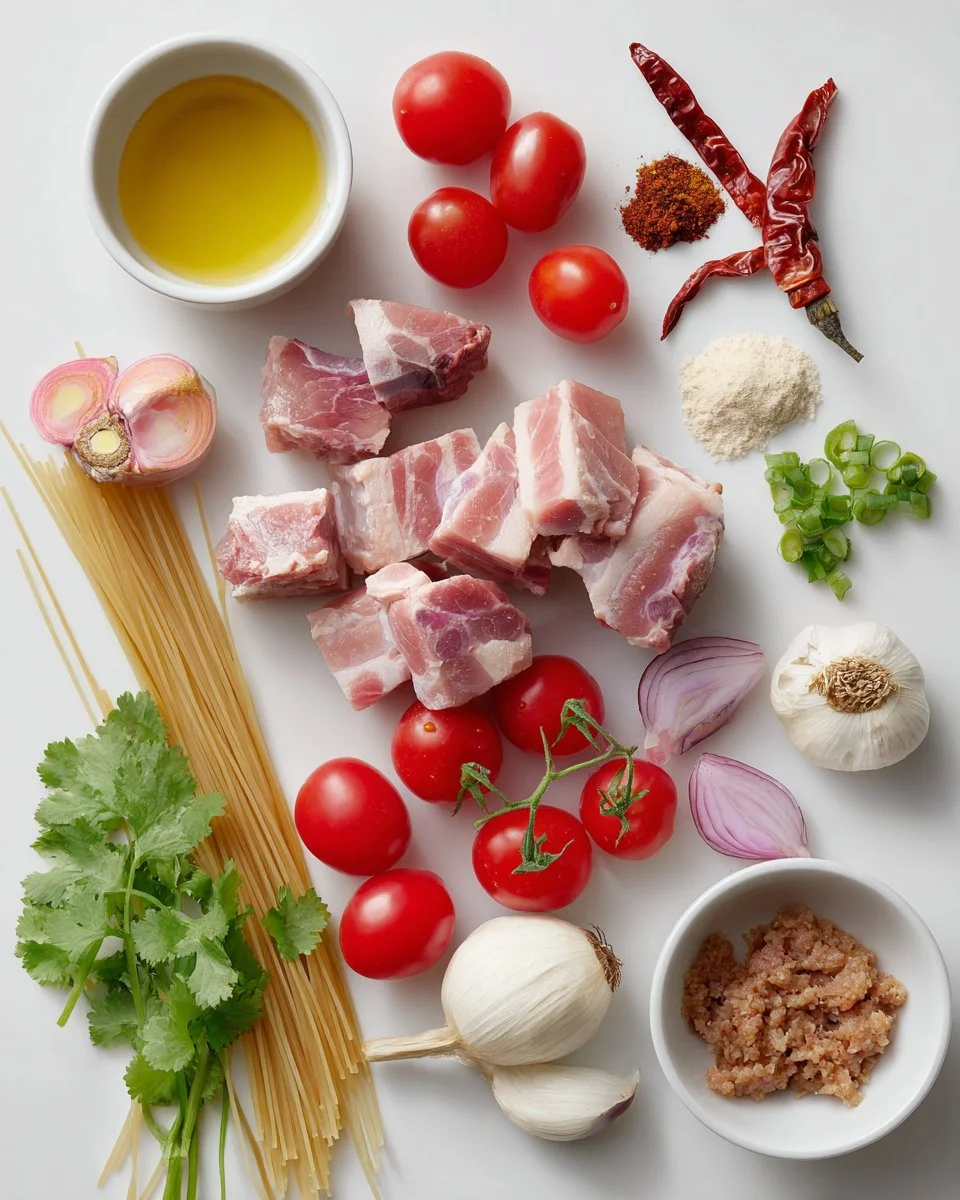
- 1.5 lb Asian-style cut pork ribs: Opt for fresh ribs; they provide a richer flavor.
- 6 cups unsalted pork or chicken stock: Homemade stock is ideal, but store-bought works too.
- 2 tablespoons fish sauce: For that umami kick; look for brands like Red Boat for quality.
- 1 teaspoon sugar: Balances flavors; use palm sugar for authenticity.
- 2 tablespoons neutral oil: Canola or vegetable oil is suitable.
- 14 oz ground pork: A blend of regular or lean meat works best for texture.
- 7 oz blood tofu (optional): Adds depth; can be replaced with regular tofu.
- 1.5 cups halved cherry or grape tomatoes: Freshness is key; opt for in-season tomatoes for sweetness.
- 12 oz dry Vietnamese rice vermicelli: Look for rice noodles specifically labeled for pho or rice noodle dishes.
- 0.7 oz mild dried chilies: Such as guajillo or puya; they bring mild heat without overpowering flavors.
- 3-4 spicy dried chilies (optional): Adjust for your heat tolerance.
- 15 cilantro stems, chopped: Fresh cilantro enhances every bowl.
- 2 stalks lemongrass, bottom half only, finely chopped: For fragrance and zest.
- 8 thin slices galangal, finely julienned: Gives a distinctive flavor; can substitute with ginger if unavailable.
- 10 cloves garlic, chopped: Freshly chopped garlic adds savory depth.
- ½ cup chopped shallots: For sweetness; yellow or red shallots both work.
- 3 tablespoons Thai fermented soybean paste (tao jiew), or substitute miso: Gives the dish a salty complexity.
- 1 tablespoon fermented shrimp paste (gapi): Adds an umami punch but can be left out or reduced if cooking for kids.
- Pickled mustard greens (optional, rinsed and chopped): For crunch if you enjoy that tangy finish.
- Fresh lime wedges (optional): Essential for that final burst of flavor when serving.
- Beansprouts (optional): A fun, fresh topping suggestion!
- Cilantro or green onions, chopped (optional): For garnishing and freshness.
- Fried garlic (optional): A delicious crunch that elevates the dish.
- Roasted chili flakes, for extra heat (optional): Add to taste for that kick!
Quality & Substitutions
Choosing quality ingredients ensures you’ll have a dish to be proud of. Always opt for fresh produce and meat from reputable sources to make the most flavorful broth. If you can’t find specific items, many can be substituted or omitted based on preference or dietary restrictions.
Prep Notes
- Ensure the butter (if any) is at room temperature before beginning.
- Rinse the dried herbs and let the grains soak if your recipe calls for pre-soaked rice vermicelli.
Step-by-Step Instructions
Cut the Ribs: If the pork ribs come in a long strip, cut between the bones to separate them. If there are meat-only parts, slice them down to ½ inch thick. Place the ribs in a large pot and cover with stock or water.
Simmer the Base: Add fish sauce and sugar; bring to a gentle simmer. Adjust the heat to maintain a gentle simmer for 1.5 hours. Chef’s Tip: Skim the surface every once in a while to remove impurities for a clearer broth.
Make the Curry Paste: While the ribs are cooking, prepare the curry paste and ground pork. Grind the dried chilies into a powder and blend the remaining curry paste ingredients with the dried chilies.
Sauté the Paste: In a wok, heat oil, add the curry paste, and sauté for around 3 minutes until aromatic.
Cook Ground Pork: Introduce ground pork; cook it until it’s no longer clumpy. This creates a lovely savory base.
Combine Flavors: Pour the pork mixture into the pot with ribs. Let them simmer together for another 1.5 hours. Visual Cue: The ribs should be fork-tender.
Add Remaining Ingredients: If using blood tofu, add it in, followed by the halved tomatoes. Let it simmer for another 3-4 minutes until the tomatoes soften.
Season to Perfection: Adjust the taste with more fish sauce or tao jiew. The mixture should be salty and umami with enough broth to keep it soupy.
Let it Rest: For the best flavors, serve preferably the next day.
Prepare Noodles: Cook the dry noodles in boiling water (7-10 mins for dry noodles; 2-4 mins for pre-soaked). Cool in cold water, then drain.
Serve: Ladle the broth over the noodles in bowls, and add toppings to your liking with a squeeze of lime for that extra zing!
Chef’s Tip: Broths taste better with time! Flavor develops wonderfully overnight, making for an even more delicious meal the following day.
Expert Tips & Tricks
Storage: Keep leftovers in an airtight container in the fridge for up to 3 days. Reheat gently on the stove to restore its original flavor.
Make-Ahead: The soup can easily be made a day in advance for deeper flavors.
Common Mistakes to Avoid: Ensure you don’t rush the simmering process; good broth takes time. Also, remember to adjust your seasoning gradually!
Texture Check: If the sauce is too thin, let it simmer uncovered to concentrate. If it’s too thick, add a splash of broth or water.
Freezing: This dish can be frozen for up to 2 months. Store the noodle broth separately for the best results.
Serving Suggestions
Pair your Thai Pork & Tomato Noodles with fresh greens like a simple cucumber salad or crispy spring rolls for an appetizer. For presentation, garnish with colorful toppings like fried garlic and cilantro. These noodles are perfect for a cozy family dinner or a festive meal with friends. Picture a vibrant table spread where everyone digs in and shares smiles over this comforting bowl!
Variations & Substitutions
- Flavor Combinations: Try adding different proteins like chicken or shrimp for variety.
- Dietary Adaptations: For a vegetarian alternative, swap pork for mushrooms and use vegetable stock.
- Seasonal Touches: Incorporate seasonal vegetables like pumpkin or bok choy for added nutrition and flavor.
Nutrition & Storage Info
- Prep Time: 30 minutes
- Cook Time: 3 hours
- Total Time: 3.5 hours (allow for cooling and resting)
- Yield: Serves 6-8
- Estimated Calories per Serving: 350-400 calories
- Storage Instructions: Room temperature up to 2 hours; in the fridge for 3-4 days; freezer up to 2 months.
FAQ Section
Can I use chicken instead of pork?
Yes, chicken thighs or breast can work beautifully in this recipe!What’s the best way to store leftovers?
Store them in airtight containers; refrigerate for up to 3 days or freeze for longer storage.Can I make this dish in advance?
Absolutely! Making it a day ahead enhances the flavors significantly.What if I can’t find blood tofu?
You can easily omit it or substitute with regular tofu.How do I know if I’ve cooked the noodles properly?
They should be tender but not mushy; al dente is best for holding up to the broth.Can I substitute the fermented shrimp paste?
Yes! If you prefer a vegetarian dish, you can skip it or find a vegan alternative.What’s the best way to serve?
Serve hot over fresh noodles garnished with your favorite toppings.Can I add more vegetables?
Definitely! Feel free to add any veggies you like; bok choy or carrots could be great additions.Is it okay to add more spices?
Yes! Adjust according to your taste preference—add more chili for heat or more sugar for sweetness.How thick should the broth be?
Aim for a soup-like consistency that’s not too thick—think of it as a flavorful broth for your noodles.
Conclusion
This Thai Pork & Tomato Noodles – Kanom Jeen Nam Ngiew recipe is more than just another meal; it’s a way to connect with your roots and create delicious memories around the table. It’s the perfect canvas for your personal touches and is bound to impress. I invite you to try it out in your kitchen—bring your family together over a bowl of warmth and love!
I would love to hear your feedback! Have you made this dish? What variations did you try? Don’t forget to check out my related recipes for more delightful cooking inspiration! Happy cooking!
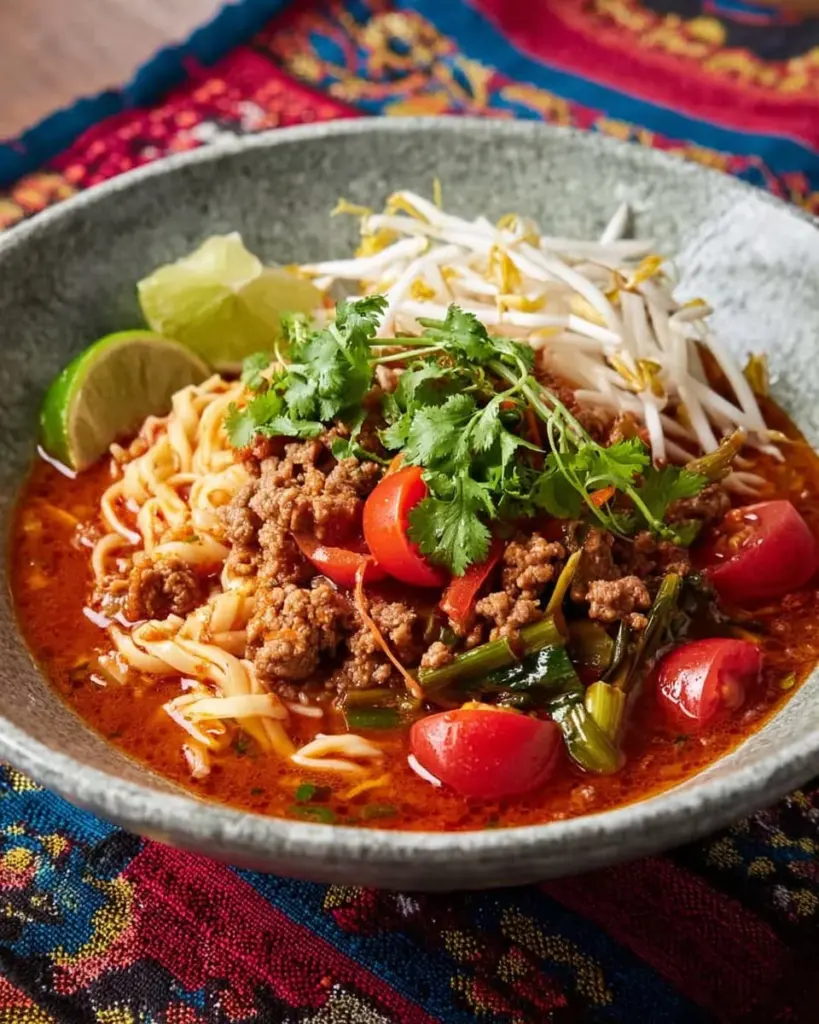
Thai Pork & Tomato Noodles
Ingredients
Method
- Cut the ribs. If the pork ribs come in a long strip, cut between the bones to separate them. If there are meat-only parts, slice them down to ½ inch thick.
- Place the ribs in a large pot and cover with stock or water.
- Add fish sauce and sugar; bring to a gentle simmer. Adjust the heat to maintain a gentle simmer for 1.5 hours. Skim the surface occasionally to remove impurities for a clearer broth.
- While the ribs are cooking, prepare the curry paste and ground pork. Grind the dried chilies into a powder and blend the remaining curry paste ingredients with the dried chilies.
- In a wok, heat oil, add the curry paste, and sauté for around 3 minutes until aromatic.
- Introduce ground pork; cook until it’s no longer clumpy to create a savory base.
- Pour the pork mixture into the pot with ribs. Let them simmer together for another 1.5 hours until the ribs are fork-tender.
- If using blood tofu, add it to the pot followed by the halved tomatoes. Let it simmer for an additional 3-4 minutes until the tomatoes soften.
- Adjust the taste with additional fish sauce or tao jiew. The mixture should be salty and umami with enough broth to keep it soupy.
- For the best flavors, let it rest preferably overnight before serving.
- Cook the dry noodles in boiling water for 7-10 minutes or 2-4 minutes for pre-soaked noodles. Cool in cold water, then drain.
- Ladle the broth over the noodles in bowls and add toppings to your liking with a squeeze of lime for that extra zing!