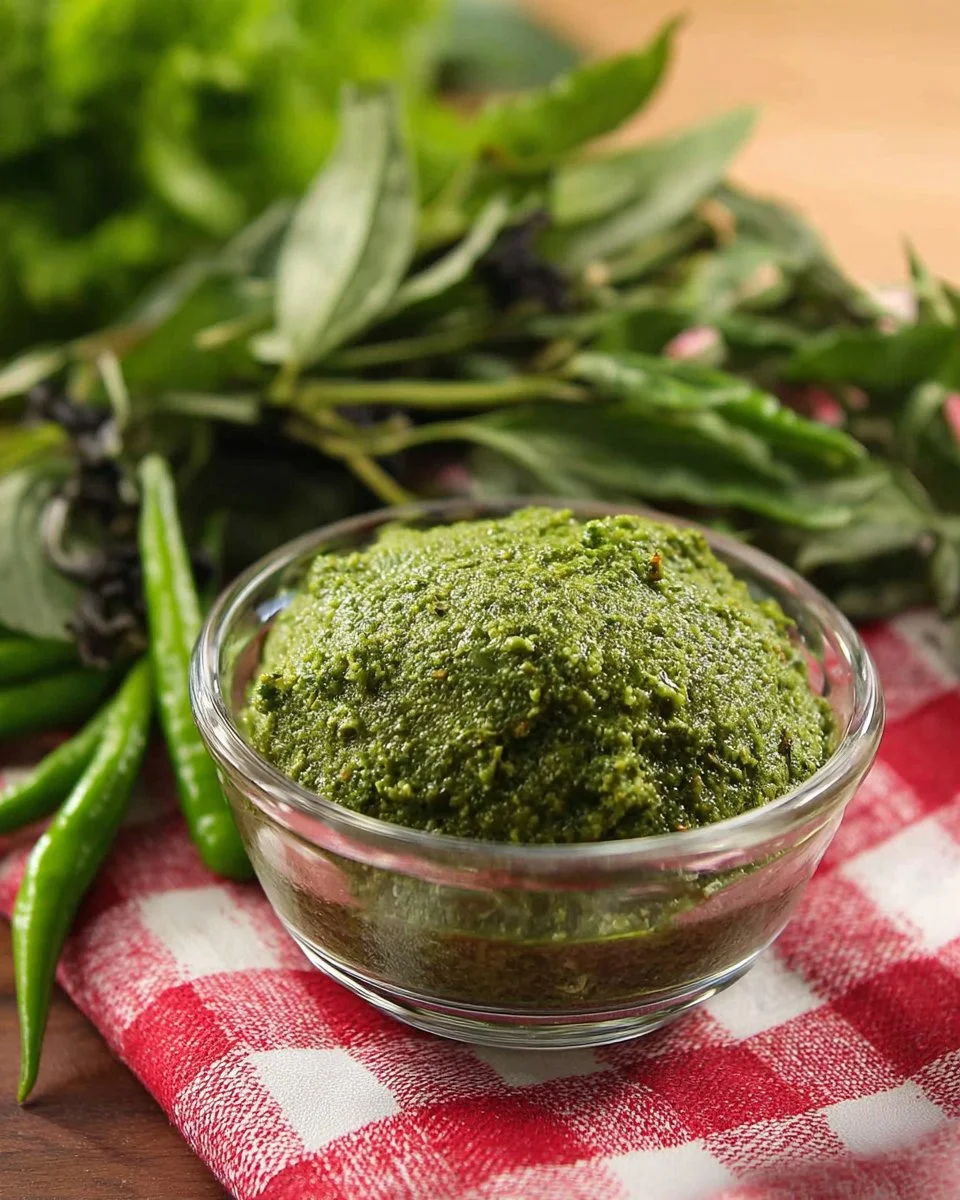
Master the Art of Thai Green Curry Paste: An Irresistible Recipe That Will Transform Your Meals
Imagine walking into your kitchen on a rainy Sunday. The scent of fresh herbs fills the air as you pour over family recipes, each scratching the surface of countless childhood memories. This is where my fascination with Thai cuisine began, guided by the vibrant dishes my grandmother used to prepare. Among her favorites was her homemade Thai green curry paste. It wasn’t just a recipe; it was a treasure trove of flavors and aromas, a gateway to that warm, cozy feeling only comfort food can provide.
What makes a Thai Green Curry Paste recipe stand out from the rest? It’s all about the balance of freshness, heat, and depth of flavor that elevates any dish. This recipe honors my grandmother’s legacy while allowing for a few fun twists, making it uniquely my own. In this post, I’ll walk you through my tried-and-true version, sharing tips and memories that will have you creating your own moments of comfort in the kitchen. I promise you’ll not only learn how to make a fragrant, homemade Thai green curry paste, but you’ll also discover ways to make it your own, infusing every dish with a touch of personal love.
What Are Thai Green Curry Paste Recipes?
Thai green curry paste is a key ingredient in one of Thailand’s most beloved dishes, transforming ordinary ingredients into something extraordinary. Traditionally hailing from Southeast Asia, this paste is a vibrant blend of fresh herbs and spices that come together in a stunning medley producing a flavor profile that’s as complex as it is refreshing.
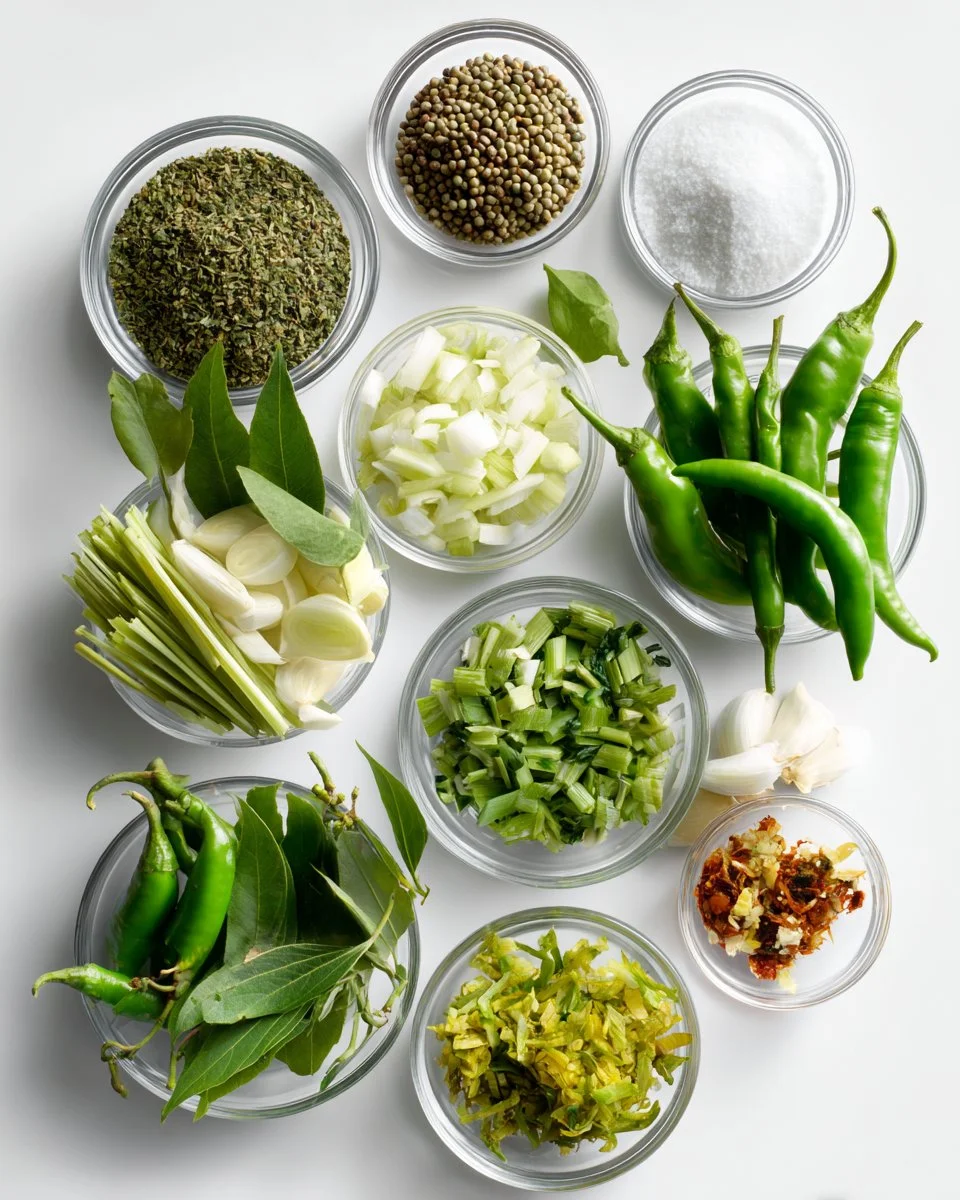
The taste is a balance of heat from the green chilies, aromatic undertones from herbs like cilantro and basil, and a zesty kick from lemongrass and galangal, creating a luscious texture that clings beautifully to your chosen ingredients. Unlike store-bought counterparts, this homemade version is customizable to suit your spice preference and freshness levels—it’s a magical concoction that will make any dish sing.
When should you make this green curry paste? Whenever you’re after that quick weeknight meal elevating grilled chicken or seafood, or even when you’re preparing for a cozy weekend gathering. Whether you’re serving it to family or a few close friends, this recipe is sure to impress!
Why You’ll Love This Recipe
Authenticity at Your Fingertips: Homemade Thai green curry paste lets you enjoy authentic flavors without relying on a takeout menu. You can channel your inner gourmet chef—no prior experience required!
Cost-Effective Solution: Sure, store-bought curry pastes are convenient, but they often come with dampened flavors and hidden preservatives. With minimal investment, this recipe gives you a shelf-stable, homemade alternative bursting with fresh flavor.
Endless Customization: One of the beautiful things about this Thai green curry paste recipe is how you can adapt it to your taste. Prefer it a bit milder? Use fewer chilies. Desiring a bolder flavor? Max out the fresh herbs!
Quick to Prepare: With just a little prep time, you’ll be leaning on this easy recipe that fits seamlessly into your weekly rotation. In under half an hour, you can whip up a vibrant, aromatic paste that elevates any meal.
A Recipe that Feels Like Home: This green curry paste isn’t just about flavor; it’s steeped in love and memory. You’ll feel a warm connection to your past every time you bring this deliciousness to life.
Ingredients Section
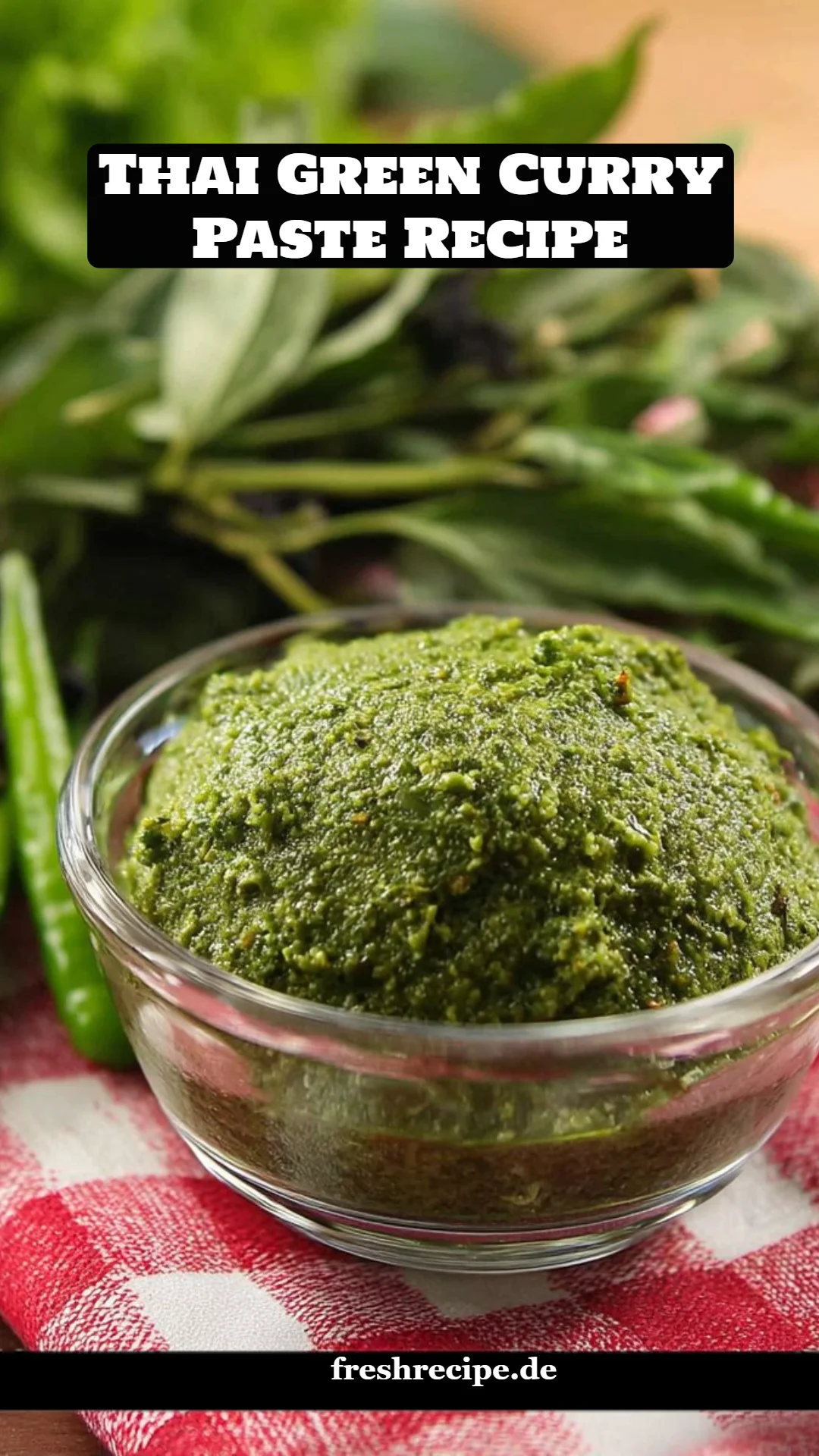
To create the perfect Thai Green Curry Paste, here are the essential ingredients you’ll need:
- 2 tsp coriander seeds (freshly ground for better flavor)
- 1 tsp cumin seeds (use whole seeds for more aroma)
- 1/2 tsp white peppercorns
- 15 g green Thai chilies or serrano peppers (adjust based on spice tolerance)
- 15 g milder green chilies (such as Anaheim or Poblano)
- 1 tsp coarse salt (helps to break down the ingredients)
- 15 Thai basil leaves, julienned (optional, but highly recommended)
- 3 Tbsp thinly sliced lemongrass (use only the tender bottom half)
- 1 1/2 Tbsp finely chopped galangal (alternatively use ginger for a milder taste)
- 2 tsp finely chopped makrut lime zest (or zest of half a regular lime)
- 2 cilantro roots or 4 cilantro stems, finely chopped (don’t underestimate the power of cilantro roots)
- 3 Tbsp finely chopped shallots
- 2 Tbsp finely chopped garlic
- 1 tsp fermented shrimp paste (optional but adds a wonderful umami depth)
Notes on Ingredient Quality/Substitutions:
- Herbs: Always aim for the freshest herbs you can find—they make all the difference. Dried herbs just won’t cut it!
- Chilies: For those sensitive to heat, feel free to remove the seeds and pith for a milder paste.
- Salt: Use sea salt or kosher salt for the best results.
Step-by-Step Instructions
Prep Your Chilies: If your spice tolerance isn’t super high, remove the seeds and pith from some or all of the spicy chilies and finely chop them. Tip: Wear gloves or wash your hands well after handling chilies to avoid any irritation.
Grind the Whole Spices: If using a mortar and pestle, grind the coriander, cumin, and white peppercorns into a powder, and set aside. Use a spice grinder for a quicker method if you prefer.
Pound Your Chilies and Salt: Add the chopped chilies and coarse salt to the mortar. Pound until the chilies are mostly fine. If the mixture becomes too wet, don’t hesitate to add the dry spices back in to help absorb moisture.
Add the Thai Basil: Toss in the julienned basil and continue to pound into a fine paste. The fragrance at this point will transport you to the bustling streets of Bangkok!
Incorporate Fresh Flavors: Add the sliced lemongrass, chopped galangal, makrut lime zest, and cilantro roots to the mortar, and pound until everything is a smooth paste.
Finish It Off: Now, add the shallots, garlic, and any remaining dry spices. Pound away until it all comes together.
Mix in the Shrimp Paste: Finally, add the shrimp paste and pound well to incorporate everything. If you prefer an electric device method, refer to the blog post for a quicker variant.
Chef’s Tip:
Watch for visual cues during the pounding process; the paste should become thick and fragrant, with no visible chunks remaining. Aim for a creamy texture that can easily coat your chosen proteins and veggies!
Expert Tips & Tricks
Storage: Store your homemade Thai green curry paste in an airtight container in the fridge for up to two weeks or freeze it in ice cube trays for long-term storage.
Make Ahead: This paste can be made ahead of time, maximizing flavors as it sits. It only gets better with time!
Troubleshooting: Should your paste seem too watery, simply return it to the mortar with extra dry spices. Keeping the balance is key!
Serving Suggestions
Pair your Thai green curry paste with chicken, seafood, or tofu for an enchanting main dish. Serve it over jasmine rice, garnished with lime wedges, cilantro, and basil for a burst of freshness. Ideal for a casual family dinner or impressive enough for a dinner party, you’ll be the talk of the town!
Variations & Substitutions
Feel free to mix things up! Substitute different herbs like mint or parsley for a unique twist, or go heavier on the chilies for those who crave a fiery kick. If you cater to dietary restrictions, swap the shrimp paste for a vegan alternative like fermented mushroom paste. The beauty of your Thai green curry paste lies in its flexibility—make it uniquely yours!
Nutrition & Storage Info
- Prep Time: 15 minutes | Cook Time: 15 minutes | Total Time: 30 minutes
- Yield: About 1 cup of Thai green curry paste
- Estimated Calories: Approximately 45 calories per tablespoon
- Storage Instructions:
- Room Temperature: No
- Fridge: up to 2 weeks
- Freezer: up to 6 months
FAQ Section
Can I use dried herbs instead of fresh?
- While you can experiment, dried herbs won’t provide the same vibrant results as fresh ones that are essential in this lush concoction.
What if I can’t find galangal?
- If fresh galangal is hard to come by, fresh ginger can be a suitable substitute, though the flavor will be slightly different.
Can this curry paste be used in other dishes?
- Absolutely! Use it for marinades, salad dressings, or even stir-fries to introduce that delightful Thai flavor.
How spicy is this paste?
- Spice levels can vary based on the chilies used. Adjust the quantities to suit your palate for the perfect kick!
Is the shrimp paste necessary?
- It adds an extra depth of flavor, but you can certainly omit it and still enjoy a delicious curry paste.
How long does the paste last in the freezer?
- The paste lasts up to six months in the freezer, keeping your Thai culinary adventures alive year-round!
Can I skip the pounding step and use a food processor?
- While it’s doable, pounding things traditionally ensures better texture and enhances flavor extraction.
What’s your favorite dish to use this paste in?
- I adore using it in a classic green curry with vegetables and coconut milk—it’s sheer comfort in a bowl!
Can I make a larger batch?
- Sure! Scaling up is easy. Just remember to adjust your storage accordingly!
How do I know my paste is done?
- You’ll know it’s ready when it forms a smooth, thick paste that wafts wonderful aromas—no lumps allowed!
Conclusion
This Thai Green Curry Paste Recipe is not just a cooking step; it’s a cherished family tradition that connects me to my roots and invites you to create comfort in your kitchen, too. I can’t wait for you to try it and discover how easy it is to turn fresh ingredients into a culinary masterpiece. Please share your thoughts and feedback in the comments below—I love hearing from fellow culinary enthusiasts!
For more aromatic adventures, check out my related recipes, and give your meals a flavor boost that will have everyone asking for the secret ingredient.
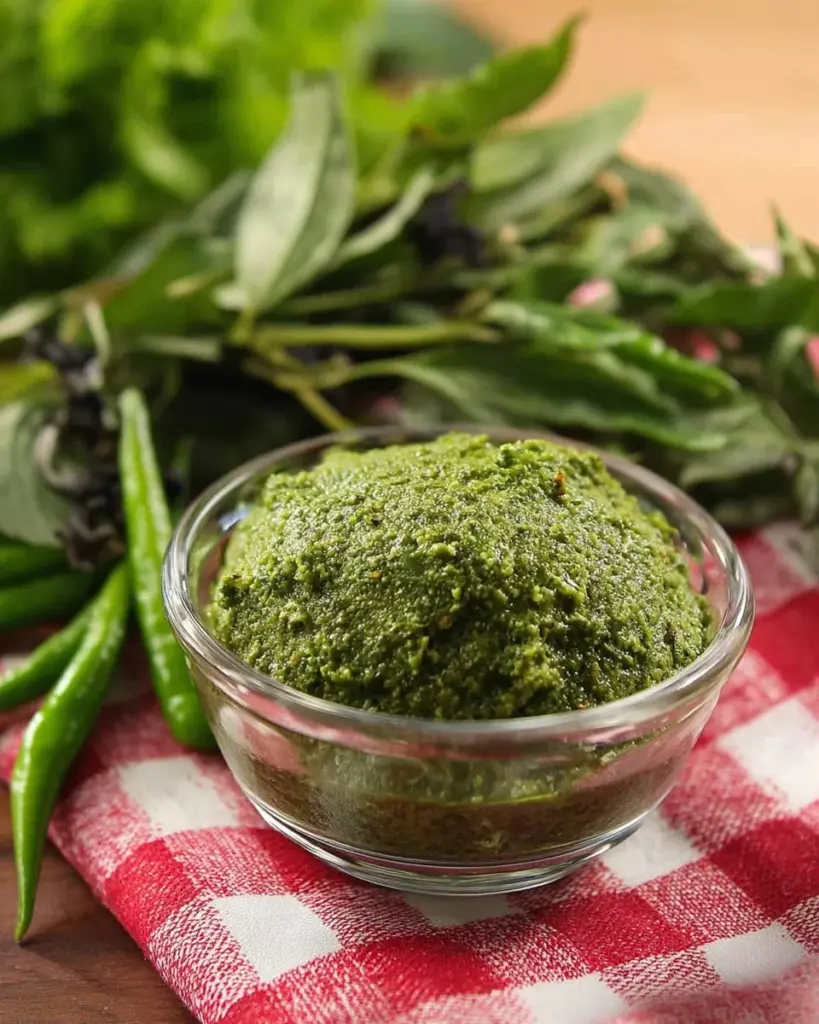
Thai Green Curry Paste
Ingredients
Method
- If your spice tolerance isn't super high, remove the seeds and pith from some or all of the spicy chilies and finely chop them. Tip: Wear gloves or wash your hands after handling chilies to avoid irritation.
- If using a mortar and pestle, grind the coriander, cumin, and white peppercorns into a powder, and set aside. Use a spice grinder for a quicker method if preferred.
- Add the chopped chilies and coarse salt to the mortar. Pound until the chilies are mostly fine. If the mixture becomes too wet, add the dry spices back in to help absorb moisture.
- Toss in the julienned basil and continue to pound into a fine paste.
- Add the sliced lemongrass, chopped galangal, makrut lime zest, and cilantro roots to the mortar, and pound until everything is a smooth paste.
- Add the shallots, garlic, and any remaining dry spices. Pound until it all comes together.
- Finally, add the shrimp paste and pound well to incorporate everything.