Unlocking the Secrets of Thai Seafood Sauce: A Flavorful Adventure with Nam Jim Seafood
Imagine a warm summer night, laughter dancing through the air as your loved ones gather around a table filled with delicious dishes. This is where my love for cooking, and particularly for Thai seafood sauce, or nam jim seafood, truly took shape. The very first time I made this sauce, I was hosting a barbecue for family and friends, and I remember the delight on their faces as they dipped succulent shrimp and fresh spring rolls into this vibrant, zesty sauce. It was a moment that reminded me of cooking with my grandmother in her kitchen, where every ingredient carried a story, and every recipe wrapped us in memories of love and laughter.
What makes this Thai seafood sauce truly special is its perfect balance of spicy, sour, and savory notes—all coming together to create a flavor explosion that’s truly unforgettable. Unlike store-bought versions with their artificial flavors, my version is fresh, customizable, and made with real ingredients that evoke comfort and nostalgia. In this recipe, I’ll share not just how to make the sauce, but also tips on how it can transform your meals and gatherings. You’ll learn the nuances behind each ingredient and how to tweak it to your personal preference. So, grab your apron, and let’s make magic happen in your kitchen!
What is Thai Seafood Sauce (Nam Jim Seafood)?
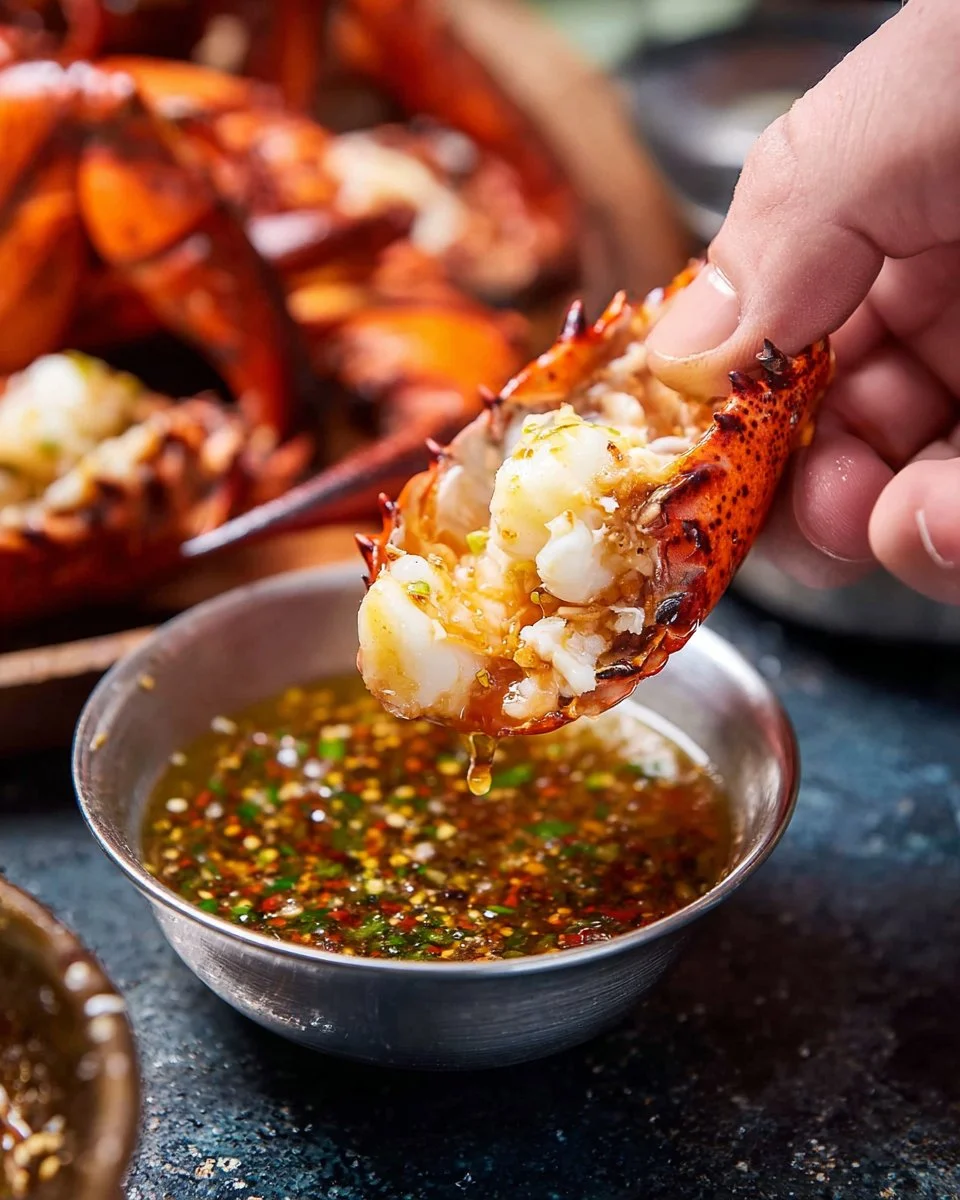
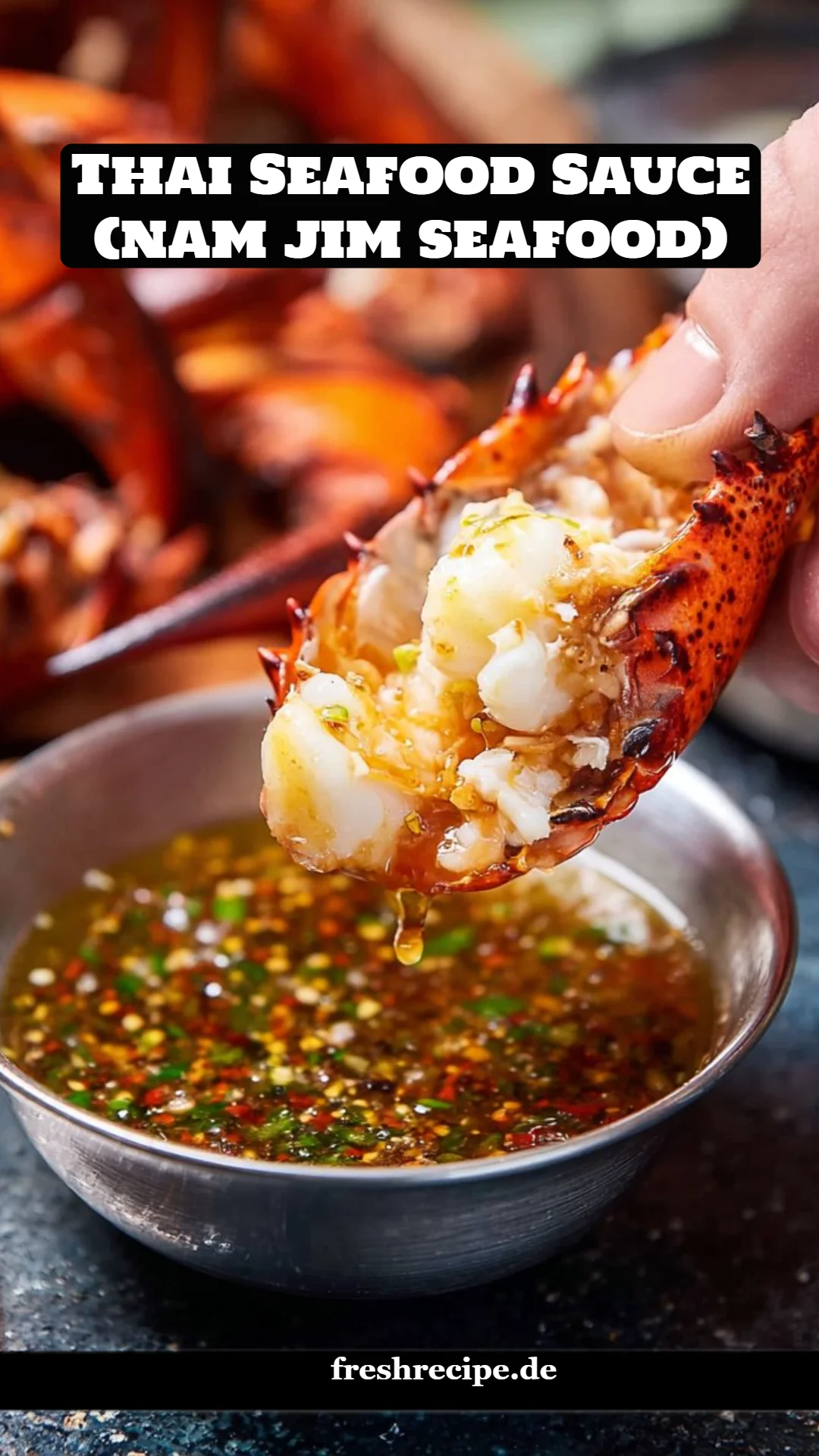
Thai seafood sauce, or nam jim seafood, is a staple in Thai cuisine, beloved for its vibrant flavor and versatility. Originating from the bustling markets and sun-kissed beaches of Thailand, this lively dipping sauce perfectly complements grilled or fried seafood, adding an extra layer of zest to your meals.
The flavors are a harmonious blend of spicy Thai chilies, fragrant garlic, and the ever-refreshing kick of lime juice. When combined, they create a sauce that’s both tangy and umami-rich, with a slight sweetness from palm sugar, making each taste a sensory delight. The texture is a beautiful paste that clings perfectly to your seafood, providing a burst of flavor in every bite.
You’ll find yourself reaching for nam jim seafood not just for seafood dishes, but for fresh vegetables, spring rolls, or even grilled chicken. It’s the sauce that elevates your meals with simplicity and elegance.
Why You’ll Love This Recipe
Let me tell you why this Thai seafood sauce recipe stands out over any store-bought or restaurant alternative:
Freshness and Flavor: When you make your own nam jim seafood, you control the quality of each ingredient. You can experiment with fresh, organic chilies and herbs that bring a vibrant freshness that’s hard to replicate.
Cost-Effective: Why pay $6 for a small jar when you can make a generous batch for under $2? Your wallet will thank you, especially if you frequently entertain or host meals.
Customizable: Unlike store-bought sauces, this recipe is a canvas for your culinary creativity. Prefer it spicier? Toss in another chili. Want more sweetness? Add an extra teaspoon of palm sugar. It’s your kitchen, your rules!
Quick & Easy: This is a straightforward recipe, requiring minimal cooking skills and only about 10 minutes of prep. Perfect for both beginner cooks and seasoned chefs looking to whip up something special.
Versatile Uses: Not just for seafood, this sauce enhances grilled meats, fresh veggies, or even as a salad dressing! It’s as multi-talented as you are, making it a must-have in your culinary repertoire.
Ingredients Section
Here are the delicious components that make up your homemade Thai seafood sauce. Remember, ingredient quality matters, so don’t skimp!
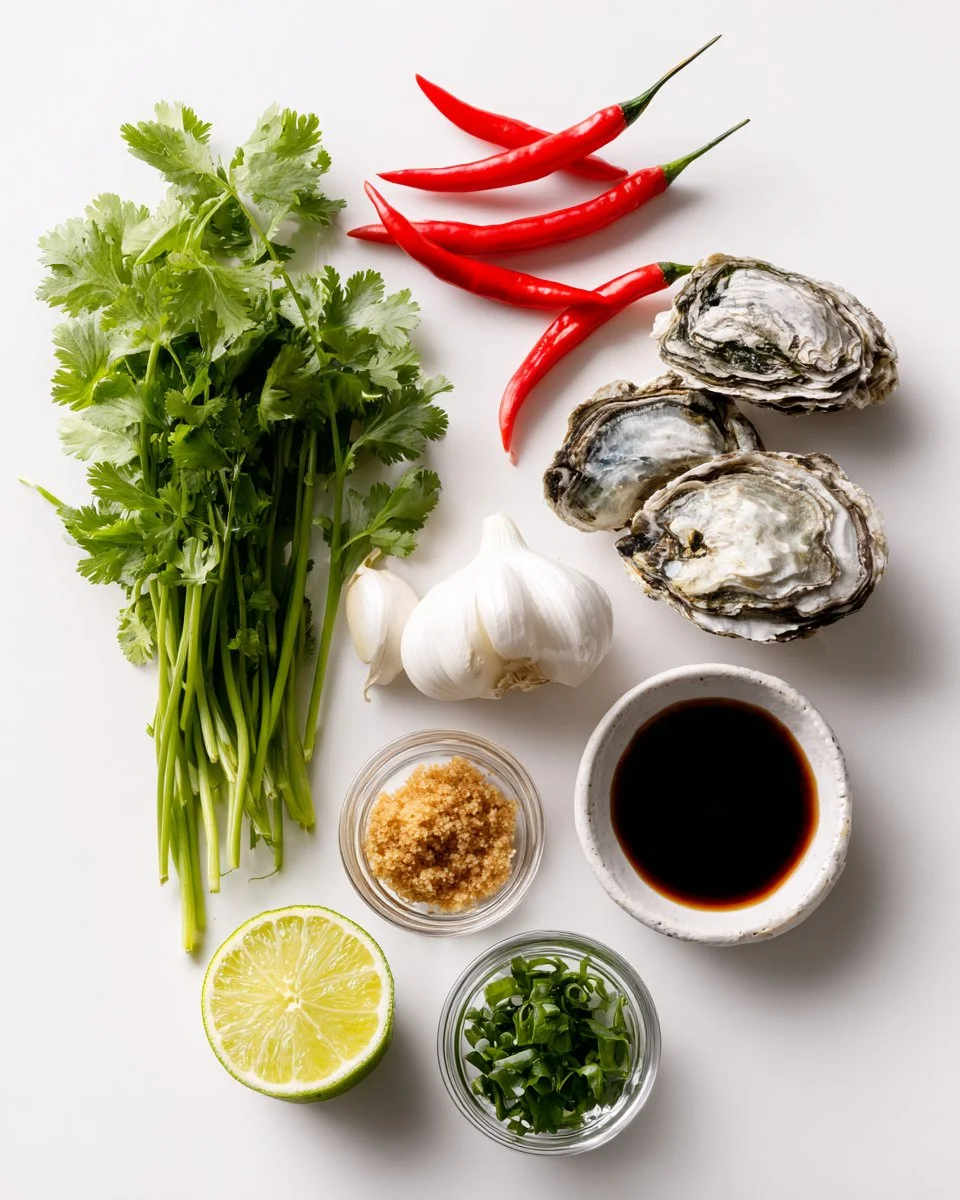
- 2 to 5 Thai chilies, to taste (Thai bird chilies are recommended for authentic heat)
- 4 cloves garlic (freshly peeled)
- 6 to 7 cilantro stems, chopped (add more leaves for a burst of herbal freshness)
- 2 tablespoons fish sauce (look for brands like Tiparos or Three Crabs for best flavor)
- 3 tablespoons lime juice (freshly squeezed, of course!)
- 1 tablespoon finely chopped palm sugar (or light brown sugar as an alternative)
Prep Notes:
- Ensure your ingredients are at room temperature for blending.
- For a more organic taste, try using unrefined palm sugar.
Always feel free to substitute ingredients based on what you have. For instance, tamari can be used for a gluten-free version of fish sauce.
Step-by-Step Instructions
Mortar and Pestle Method
Pound the Base: Start by placing the garlic, chilies, and cilantro stems into your mortar. Using a pestle, pound them together until you achieve a smooth paste, releasing all those glorious aromas. This should take about 1-2 minutes.
Chef’s Tip: A bit of sea salt can help break down the ingredients quicker.
Incorporate Sweetness: Add the finely chopped palm sugar to the mix and pound until it dissolves completely, about another minute.
The Final Mix: Pour in the fish sauce and lime juice, then mix thoroughly using the pestle until well combined. Taste and adjust seasoning as necessary.
Storage: Transfer your sauce to a jar or container, seal it tightly, and store in the fridge. It should keep well for about a week!
Blender Method
Combine Ingredients: Place all ingredients – garlic, chilies, cilantro stems, palm sugar, fish sauce, and lime juice – into your blender.
Blend Away: Pulse on medium speed until well mixed, but ensure you don’t liquefy it completely; it should retain a bit of texture—about 30 seconds.
Taste Test: Just like with the mortar method, taste and adjust flavors as desired.
Store: Pour into a container and refrigerate for up to a week.
Common Mistakes to Avoid
- Over-blending: If using a blender, don’t turn it into a complete liquid; a bit of texture is desirable.
- Too Much Fish Sauce: Start with less, and always taste as you go!
Expert Tips & Tricks
Here are some of my ‘insider’ tips for perfecting your nam jim seafood sauce:
Store in an Airtight Container: This will help preserve its freshness and flavor longer.
Make Ahead: This sauce tastes even better the next day as the flavors meld together, so prep it in advance for gatherings!
Add Nuts for Crunch: For an exciting twist, try adding crushed peanuts or roasted sesame seeds to your sauce before serving.
Use as a Marinade: Before grilling chicken, shrimp, or steak, marinade them in some of your sauce for additional flavor.
Balance the Flavors: Don’t be afraid to play with the proportions—every palate is different. Keep tasting and adjusting!
Serving Suggestions
This vibrant Thai seafood sauce is perfect alongside:
- Grilled Shrimp: The spicy undertones marry beautifully with smoky flavors.
- Fried Calamari: A fresh dip.
- Spring Rolls: A lovely pairing that complements the freshness of the rolls.
For presentation, serve in a small bowl garnished with cilantro leaves and lime wedges on the side. This sauce is fantastic for gatherings, potlucks, or even a casual night in!
Variations & Substitutions
If you want to get creative, try these variations:
- Fruit Infusion: Add mango or pineapple chunks for a fruity twist.
- Herb Swaps: Experiment with mint or basil in place of cilantro for a unique herbaceous taste.
- Vegan Version: Replace fish sauce with soy sauce or a vegan fish sauce alternative.
Nutrition & Storage Info
- Prep Time: 10 minutes
- Total Time: 10 minutes
- Yield: Approximately 1 cup (~8 servings)
- Estimated Calories: About 45 calories per serving
Storage Instructions:
- Fridge: Best used within a week. Do not store in the freezer as it will alter the texture.
FAQ Section
Can I use dried chilies instead of fresh ones?
- Yes! But remember that dried chilies are more concentrated, so use them sparingly and rehydrate them in hot water before blending.
Is there a way to make this sauce less spicy?
- Absolutely! Reduce the number of chilies and add more sugar to balance the heat.
How do I adjust the flavor based on my taste preference?
- A good approach is to adjust one ingredient at a time—add a splash more lime for extra tang or a touch of sugar for sweetness.
Can I use other types of sugar?
- While palm sugar is traditional, light brown sugar or coconut sugar can work as substitutes.
Can I make this sauce in larger batches?
- Of course! Just scale up the ingredient quantities accordingly.
What’s the best way to store leftover sauce?
- Keep any leftover sauce in a sealed jar in the refrigerator for up to a week.
Can this sauce be used for something other than seafood?
- Yes! It pairs well with chicken, vegetables, and even salads.
Is this recipe gluten-free?
- Yes, if you use a gluten-free fish sauce or its alternatives.
What if I can’t find fresh Thai chilies?
- You can use serrano chilies as a substitute but be mindful that they may vary in heat.
What do I do if my sauce is too salty?
- If it’s overly salty, balance it out by adding a dash more lime juice or sugar.
Conclusion
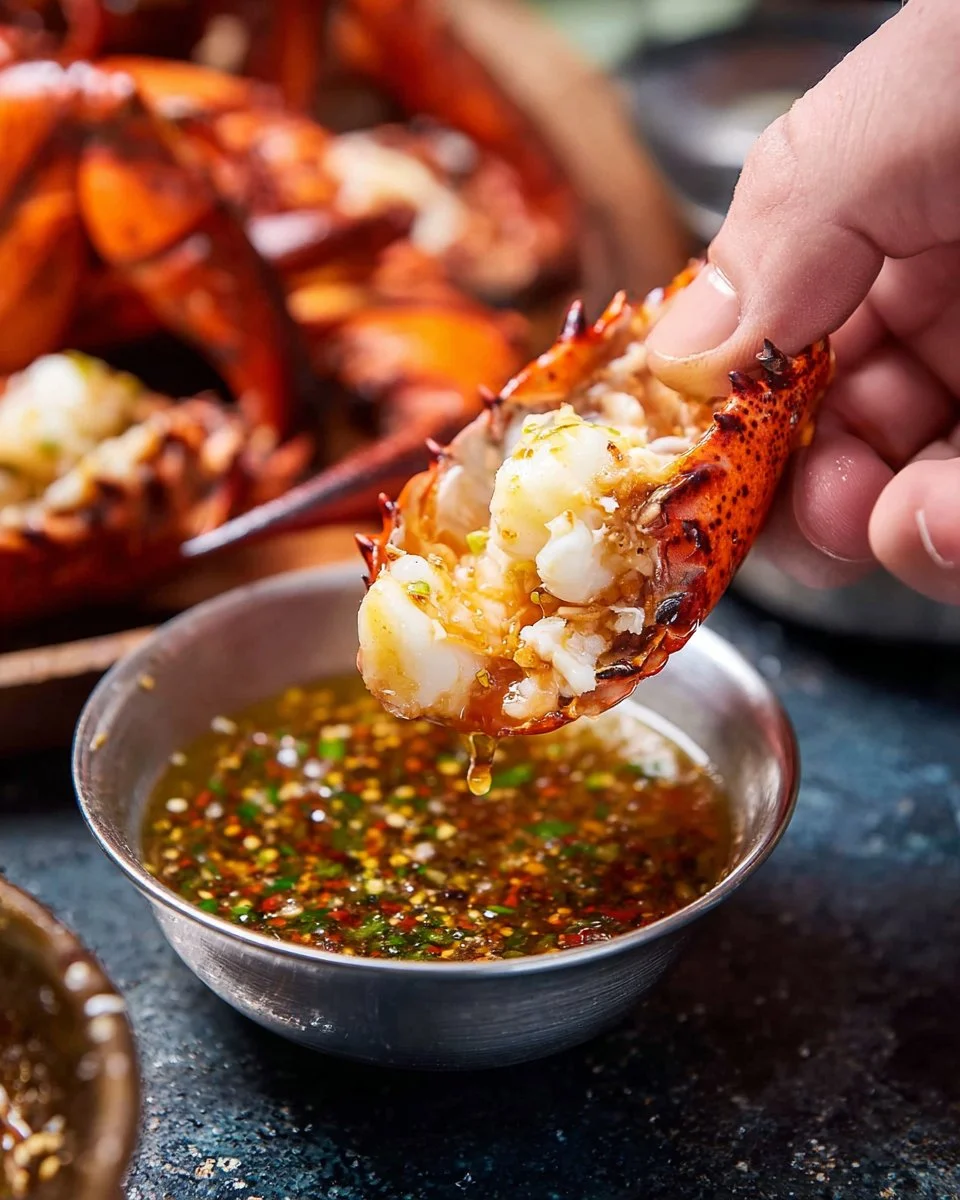
This homemade Thai seafood sauce, or nam jim seafood, is more than just a recipe; it’s a dive into culinary culture, family memories, and the pure joy of cooking. I insist you give it a try! Whether you’re hosting friends, planning a family meal, or treating yourself to a delicious snack, this sauce is your new kitchen companion. I’d love to hear your thoughts or any tweaks you made to make it your own—let’s build a community of flavor enthusiasts! Don’t forget to check out my other recipes on the blog for more culinary adventures!
Nam Jim Seafood
Ingredients
Method
- Place garlic, chilies, and cilantro stems into your mortar and pound together until you achieve a smooth paste.
- Add the finely chopped palm sugar to the mix and pound until it dissolves completely.
- Pour in the fish sauce and lime juice, then mix thoroughly with the pestle until well combined and adjust the seasoning as necessary.
- Transfer your sauce to a jar or container and store in the fridge. It should keep well for about a week.
- Place all ingredients into your blender.
- Pulse on medium speed until well mixed, ensuring it retains texture.
- Taste and adjust flavors as desired.
- Pour into a container and refrigerate for up to a week.