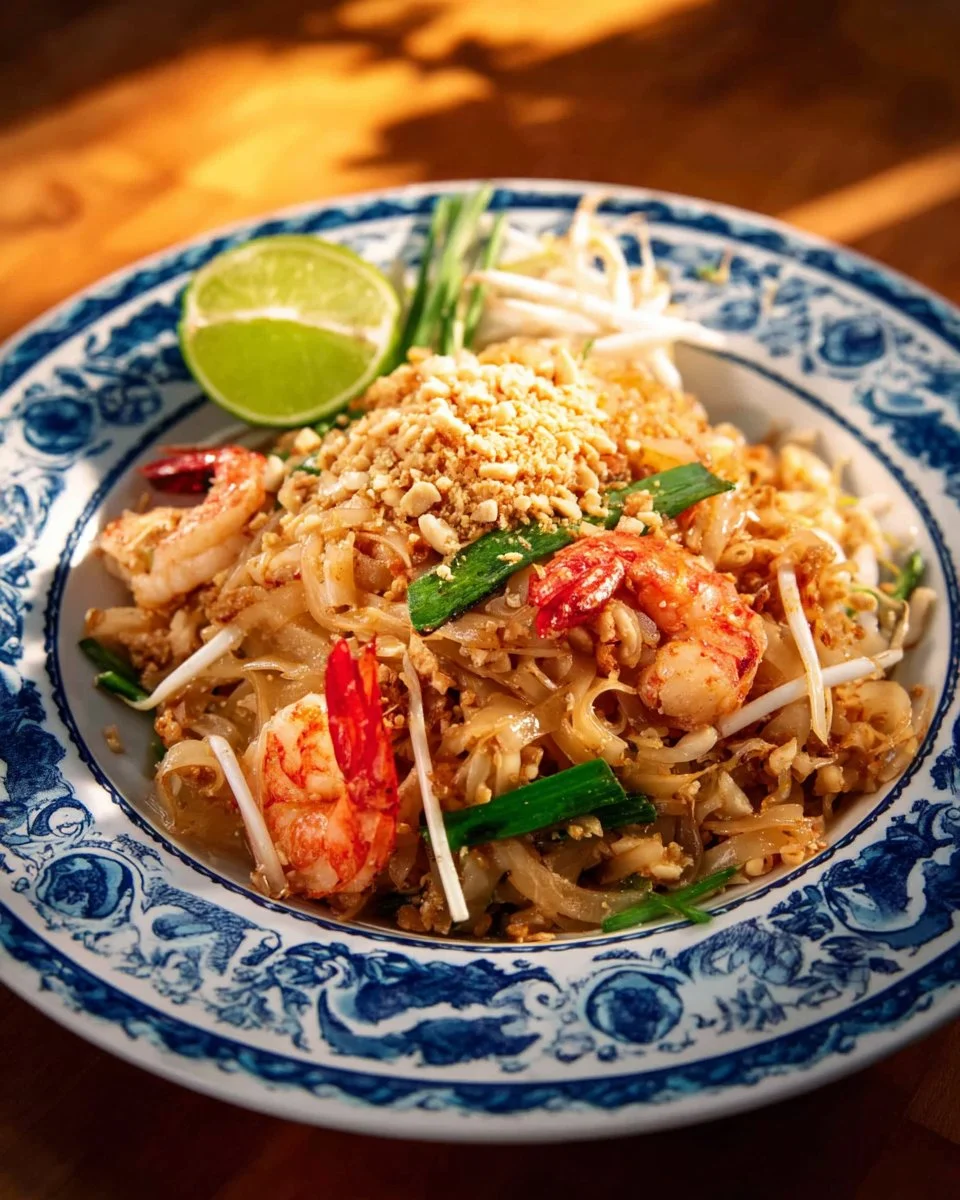
# A Wholesome Journey to Authentic Pad Thai: Your Ultimate Comfort Food Recipe
When I think of the perfect comfort food, **Authentic Pad Thai** always comes to mind. It's a dish that evokes vivid memories of stumbling upon a tiny street cart in Thailand, where the fragrant smell of stir-fried noodles filled the air. I was on a backpacking trip with my best friend, and we were always on the lookout for something delicious and cheap. One evening, weary from our adventures, we decided to try Pad Thai from a local vendor. The moment that warm, savory dish hit my tongue, I was hooked!
Years later, I tried my hand at making it myself and created this recipe for Authentic Pad Thai that beats anything I've ever had—home-cooked meals bring together flavors and care that you simply can’t find elsewhere. Family members gather around the table, laughter fills the air, and the flavors whisk us away to that modest street corner in Bangkok. This dish is not just a meal; it’s an experience—one that brings me comfort and joy, even on my busiest days.
In this post, I'll share everything you need to create that unforgettable **Authentic Pad Thai** experience right in your kitchen. From the perfect sauce to essential techniques, you’ll learn how to whip up this beloved classic without breaking a sweat. Let's dive into making your home smell just like those bustling streets!
## What Are Authentic Pad Thai?
The origins of Pad Thai trace back to Thailand and are deeply intertwined with its culture and history. This dish emerged during World War II as a means to promote rice noodles as a national staple and boost the local economy. Fast forward to today, and Pad Thai is a beloved favorite around the globe.
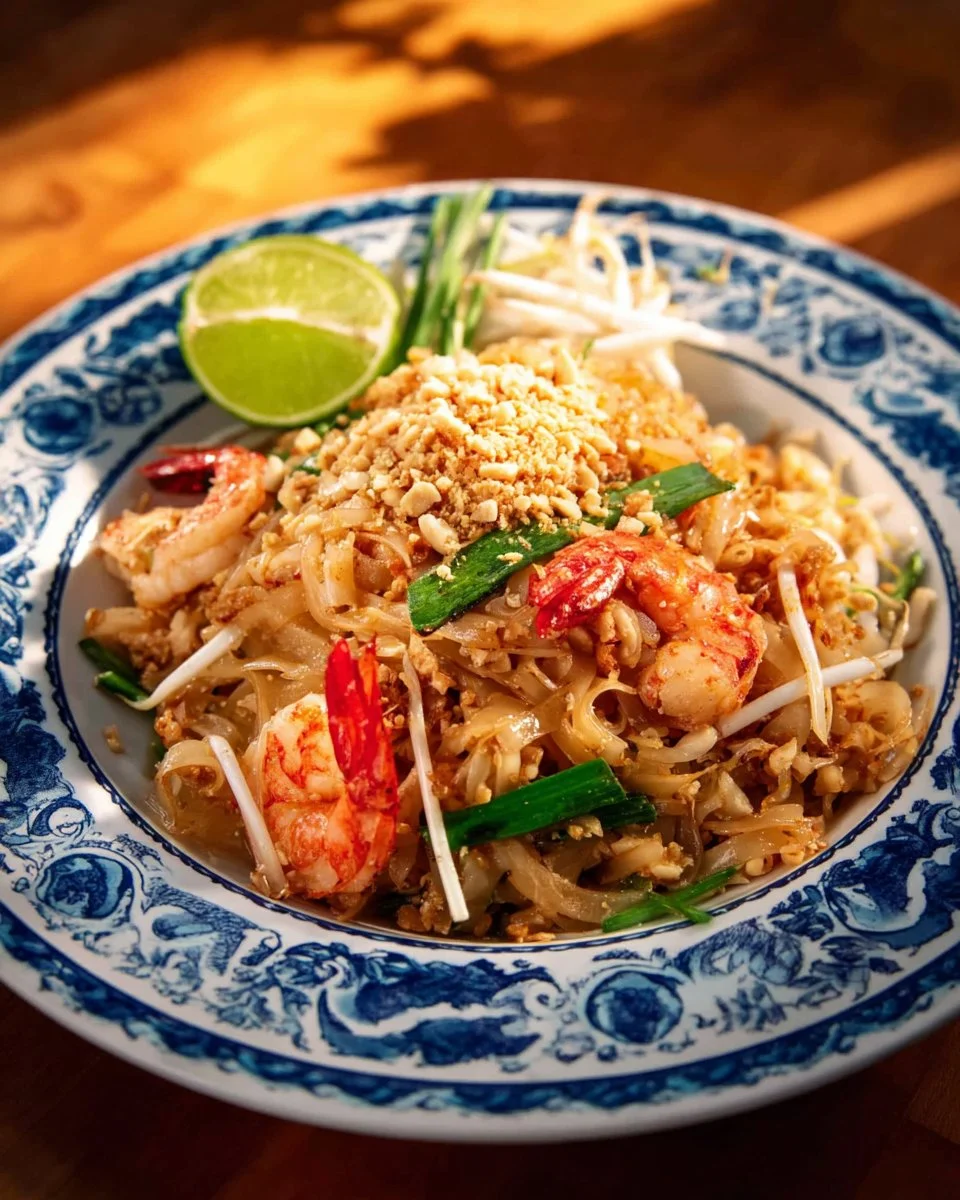
The taste and texture of Pad Thai are truly unique. Imagine the medley of chewy noodles coated in a savory-sweet sauce, with bursts of fresh flavors from the herbs and proteins. It’s a harmonious blend of sweet, sour, salty, and a hint of spiciness—think of it as a comforting hug in a bowl. The peanuts add crunch, while the bean sprouts lend freshness. It’s a delightful balance that dances on the palate.
You’ll want to give this dish a shot when hosting dinner parties, casual gatherings, or even for a cozy family movie night. It’s a sure crowd-pleaser that brings everyone together around the table!
## Why You’ll Love This Recipe
1. **Homemade vs. Store-Bought**: I can't tell you how many times I've tried restaurant Pad Thai and found it to be too saucy or overly sweet. This recipe allows you to adjust the flavoring to your exact specifications, making it so much better than anything you can buy.
2. **Cost-Effective**: Forget overpriced takeout! This authentic version will save you money while delivering that delicious street-food taste right at home. The ingredients are budget-friendly, and you can even personalize what goes in your dish.
3. **Customized Flavors**: This recipe is incredibly flexible. Whether you want to add chicken, tofu, or just vegetables, you can make it your own! Plus, feel free to adjust spice levels to cater to your family’s taste buds.
4. **Simplicity and Speed**: I promise this is an easy recipe! You can whip it up in about 30 minutes—it’s quicker than waiting for delivery! Once you gather your ingredients, the cooking process is straightforward, making it accessible even for novice cooks.
5. **Unforgettable Memories**: Cooking Pad Thai at home gives you the chance to create lasting memories in the kitchen. It’s perfect for family bonding or impressing friends. Plus, there's nothing quite like the smell of homemade Pad Thai wafting through the house—it draws everyone in!
## Ingredients

To create the perfect **Authentic Pad Thai**, here’s what you’ll need:
### Pad Thai Sauce
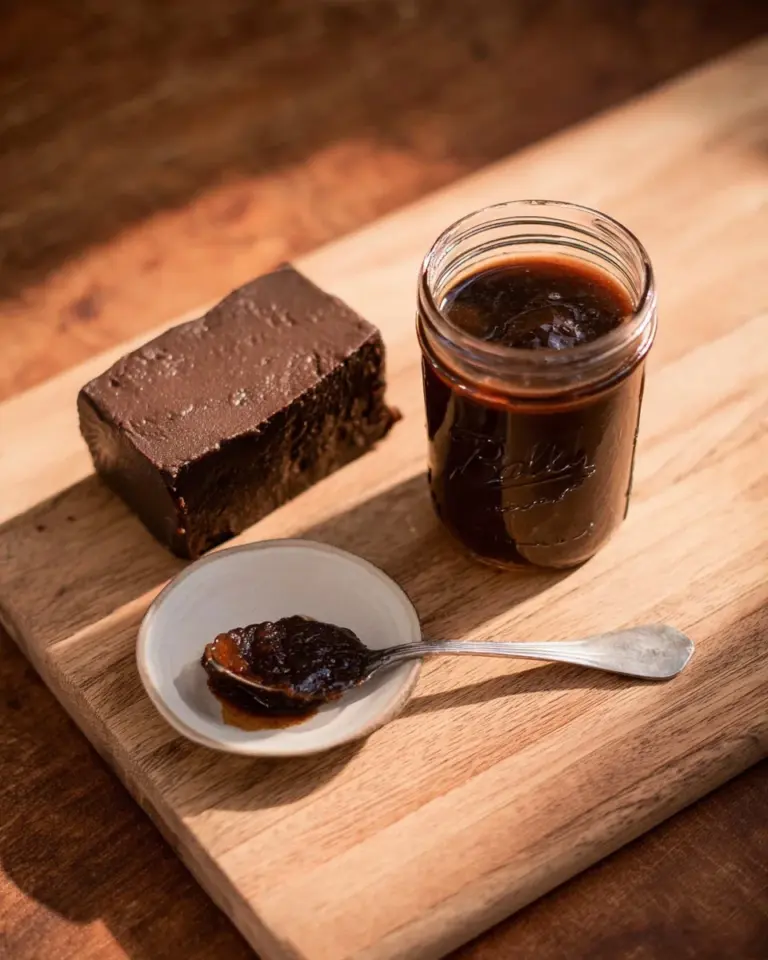
- **35 g palm sugar, chopped (3 tablespoons tightly packed)**: Look for good quality palm sugar, available at Asian markets or online. You can substitute with brown sugar, but it alters the flavor slightly.
- **3 Tbsp (45 ml) water**
- **3-4 Tbsp Thai cooking tamarind**: Ensure you use the right tamarind you can find in any good Asian grocery store. It’s what gives Pad Thai its tangy flavor!
- **2 Tbsp good fish sauce**: I always recommend using premium brands like Red Boat for a richer taste.
### Noodles and Proteins
- **4oz (115g) dry rice noodles, medium size, soaked in room temp water for 1 hour**: Soaking them ensures even cooking and the right chewy texture.
- **2 Tbsp dried shrimp, medium size, roughly chopped**: If you're not a fan, feel free to omit!
- **3 oz (85 g) pressed tofu, cut into small pieces**: Pressing tofu beforehand ensures it retains a nice texture.
- **10 medium-sized shrimp, or as many as you like**: Adjust protein to your preference.
### Vegetables and Herbs
- **3 cloves garlic, chopped**
- **1/4 cup roughly chopped shallots**
- **3 Tbsp finely chopped sweet preserved daikon radish**: A must-have for authenticity!
- **2 1/2 cups (120 g) bean sprouts, loosely packed**: Adds crunchiness!
- **7-10 stalks (70 g) garlic chives, cut into 2 inches pieces**: A delicious and fragrant addition.
### Garnishing
- **3 Tbsp (45 ml) vegetable oil**
- **2 eggs**
- **1/4 cup roasted peanuts, roughly chopped**: For that crunchy texture!
- **1 lime**: Freshly squeezed to brighten the dish.
### Serving Condiments
- **Garnishes and condiments for serving: chili flakes, roasted peanuts, bean sprouts, and garlic chives**. Perfect for letting everyone customize their individual portions!
---
## Step-by-Step Instructions
### To Make Pad Thai Sauce
1. **Melt the Palm Sugar**: Add palm sugar to a small pot over medium heat. Stir continuously until it caramelizes and turns a dark amber color—keep an eye on it, we don’t want burned sugar!
2. **Add Liquid Ingredients**: Immediately add water, fish sauce, and tamarind paste. The sugar might harden, which is fine! Just bring the mixture to a gentle simmer and turn off the heat. Let it sit while you prep the other ingredients.
### To Make Pad Thai
1. **Prepare Noodles**: After soaking, cut the drained noodles in half with scissors to make them more manageable.
2. **Mix Tofu and Vegetables**: In a bowl, combine the soaked noodles, tofu, garlic, shallots, preserved radish, dried shrimp, and chili flakes.
3. **Heat Wok**: Heat your trusty wok or large nonstick skillet over high heat. Add enough oil to coat the bottom.
4. **Sear Shrimp**: Add the shrimp first, sear until they are opaque, and remove them from the pan.
5. **Sauté Aromatics**: In the same wok on medium heat, add a little more oil if needed then toss in the contents of the tofu bowl. Stir-fry until the garlic is golden and the shallots are wilted—smell that aroma?
6. **Combine Noodles and Sauce**: Increase the heat to high, add the drained noodles and the sauce, stirring until the noodles absorb the sauce. If the noodles seem undercooked, a splash of water can help.
7. **Cook Eggs**: Once everything is well combined, push the noodles to one side, add oil, and crack in the eggs to scramble in the empty space. Allow them to cook for about 30 seconds, then toss everything together.
8. **Finish with Fresh Ingredients**: Finally, add bean sprouts, garlic chives, and half of the roasted peanuts. Mix well and serve immediately with lime wedges and the remaining peanuts for those who love extra crunch.
---
## Expert Tips & Tricks
1. **Quality Counts**: Always use authentic ingredients—like tamarind and fish sauce— as they define the specific flavors of Pad Thai.
2. **Adjust for Spice**: If you love heat, don’t hesitate to increase the chili flakes! Alternatively, you can serve extra chili oil on the side.
3. **Make Ahead**: You can prep the sauce and chop your vegetables a day in advance for easy cooking when the time comes.
4. **Storage**: Pad Thai is best eaten fresh, but if you have leftovers, store them in an airtight container in the fridge for up to three days.
5. **Troubleshooting**: If your dish feels too dry, don't hesitate to splash a bit more water during cooking for that perfect silky noodles.
---
## Serving Suggestions
Pad Thai deserves some delicious accompaniments! Consider serving it alongside a fresh Thai papaya salad for some crunch and acidity that balances the dish beautifully. To present, you might like to layer your portions on colorful plates and garnish with extra bean sprouts and peanuts for an inviting touch. Perfect for any casual gathering or even as a fun family dinner!
---
## Variations & Substitutions
1. **Meat-Free Version**: Substitute shrimp and tofu for a medley of colorful veggies like bell peppers, zucchini, or mushrooms for a vibrant vegetarian alternative.
2. **Seasonal Twist**: Incorporate some seasonal veggies like spinach or snow peas for freshness.
3. **Different Flavors**: Feel free to experiment with different proteins, whether it’s grilled chicken or beef—there’s room for creativity!
---
## Nutrition & Storage Info
- **Prep Time**: 15 minutes
- **Cook Time**: 20 minutes
- **Total Time**: 35 minutes
- **Yield**: Serves 4
- **Estimated Calories**: ~600 calories per serving
- **Storage**: Keep it in the fridge for up to 3 days. I don’t recommend freezing as the texture can change.
---
## FAQ Section
1. **Can I use another type of noodle?**
- Yes! You can try egg noodles or even whole wheat noodles, but the texture and flavor will differ from rice noodles.
2. **How do I know if tamarind paste is good?**
- Look for a deep, rich color and a tangy smell. Fresh tamarind should taste sweet and sour.
3. **Is Pad Thai gluten-free?**
- Yes, as long as you use gluten-free soy sauce and confirm that your fish sauce is gluten-free.
4. **What is the best way to reheat Pad Thai?**
- Gently reheat in a skillet over low heat or in the microwave, adding a splash of water to prevent it from sticking.
5. **Can I add peanut butter for extra flavor?**
- It’s unconventional, but a small spoonful of peanut butter can add a rich depth if you enjoy that flavor profile.
6. **What can I substitute for fish sauce?**
- You can use soy sauce mixed with a touch of lime juice. It won’t replicate the exact flavor but can work in a pinch.
7. **How can I make it more spicy?**
- Toss in some fresh sliced bird's eye chilies or even sriracha before serving!
8. **Can I use frozen shrimp for this dish?**
- Absolutely! Just ensure that they are thawed properly before cooking.
9. **How do I avoid overcooking the shrimp?**
- Shrimp cooks quickly; once they turn pink and opaque, you’re done! Always remove them promptly to prevent overcooking.
10. **Is this dish kid-friendly?**
- Yes! You can adjust spiciness and include ingredients your children enjoy to make it more appealing.

---
## Conclusion
This **Authentic Pad Thai Recipe** is not just about food; it's about bringing the flavors of Thailand into your home and crafting delightful memories with loved ones. I encourage you to give this recipe a whirl and experience the joy of creating something truly special from scratch. Don’t forget to share your feedback or any tweaks you made—I love hearing from you!
And if you're hungry for more culinary adventures, check out my other Thai-inspired recipes on the blog. Happy cooking!
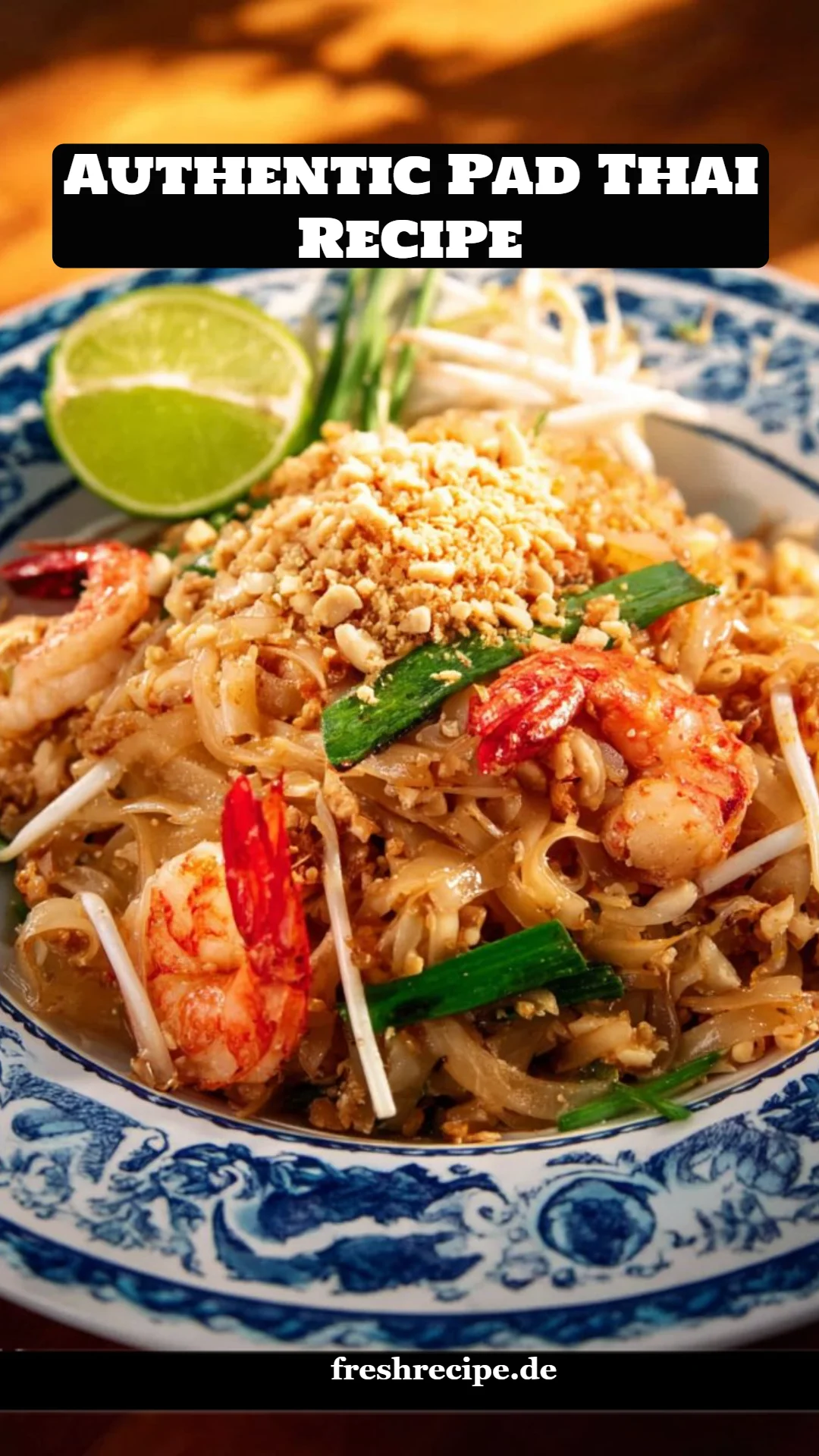
Authentic Pad Thai
Experience the joy of making Authentic Pad Thai, a delightful blend of chewy noodles, savory-sweet sauce, and fresh ingredients that brings comfort and joy to any meal.
Ingredients
Method
To Make Pad Thai Sauce
- Melt the Palm Sugar: Add palm sugar to a small pot over medium heat. Stir continuously until it caramelizes and turns a dark amber color—keep an eye on it, we don’t want burned sugar!
- Add Liquid Ingredients: Immediately add water, fish sauce, and tamarind paste. The sugar might harden, which is fine! Just bring the mixture to a gentle simmer and turn off the heat. Let it sit while you prep the other ingredients.
To Make Pad Thai
- Prepare Noodles: After soaking, cut the drained noodles in half with scissors to make them more manageable.
- Mix Tofu and Vegetables: In a bowl, combine the soaked noodles, tofu, garlic, shallots, preserved radish, dried shrimp, and chili flakes.
- Heat Wok: Heat your trusty wok or large nonstick skillet over high heat. Add enough oil to coat the bottom.
- Sear Shrimp: Add the shrimp first, sear until they are opaque, and remove them from the pan.
- Sauté Aromatics: In the same wok on medium heat, add a little more oil if needed then toss in the contents of the tofu bowl. Stir-fry until the garlic is golden and the shallots are wilted—smell that aroma?
- Combine Noodles and Sauce: Increase the heat to high, add the drained noodles and the sauce, stirring until the noodles absorb the sauce. If the noodles seem undercooked, a splash of water can help.
- Cook Eggs: Once everything is well combined, push the noodles to one side, add oil, and crack in the eggs to scramble in the empty space. Allow them to cook for about 30 seconds, then toss everything together.
- Finish with Fresh Ingredients: Finally, add bean sprouts, garlic chives, and half of the roasted peanuts. Mix well and serve immediately with lime wedges and the remaining peanuts for those who love extra crunch.
Notes
Store leftovers in an airtight container in the fridge for up to three days. It’s best eaten fresh but can be reheated with a splash of water to loosen it up.