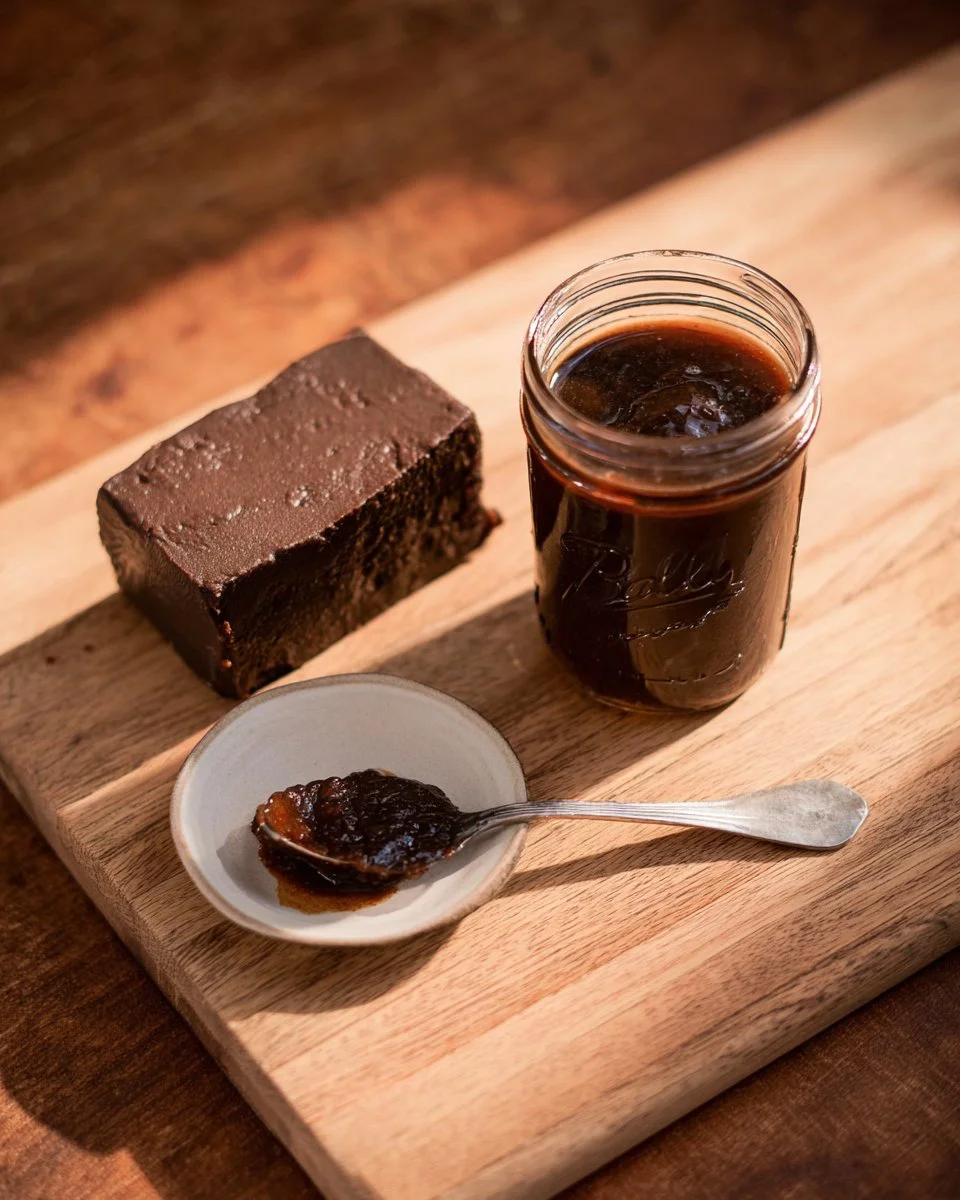
Unlock the Bold Flavors of Homemade Tamarind Paste: A Simple Guide
Growing up in a household where the aroma of spices danced through the air, tamarind paste was a staple that made my taste buds sing. I still recall my grandmother’s laughter as we stood together in the kitchen, her hands swirling the dark, sticky paste into savory sauces. That tangy, slightly sweet magic of homemade tamarind paste not only enhanced our favorite dishes but also created cherished memories that I carry with me to this day.
What makes my recipe for Homemade Tamarind Paste stand out? It’s simple, quick, and beats any store-bought version in taste, freshness, and health benefits. No artificial preservatives or mystery ingredients here! The flavor is vibrant, rich, and full of authentic tang that is perfect for curries, chutneys, and marinades.
With this recipe, I promise you’ll learn the art of making your very own tamarind paste from scratch, fostering a taste that resonates with tradition while elevating your culinary creations. Whether you’re trying to recreate your favorite Indian dish or simply embarking on a new food adventure, this paste will be your new best friend in the kitchen!
What Are Homemade Tamarind Paste?
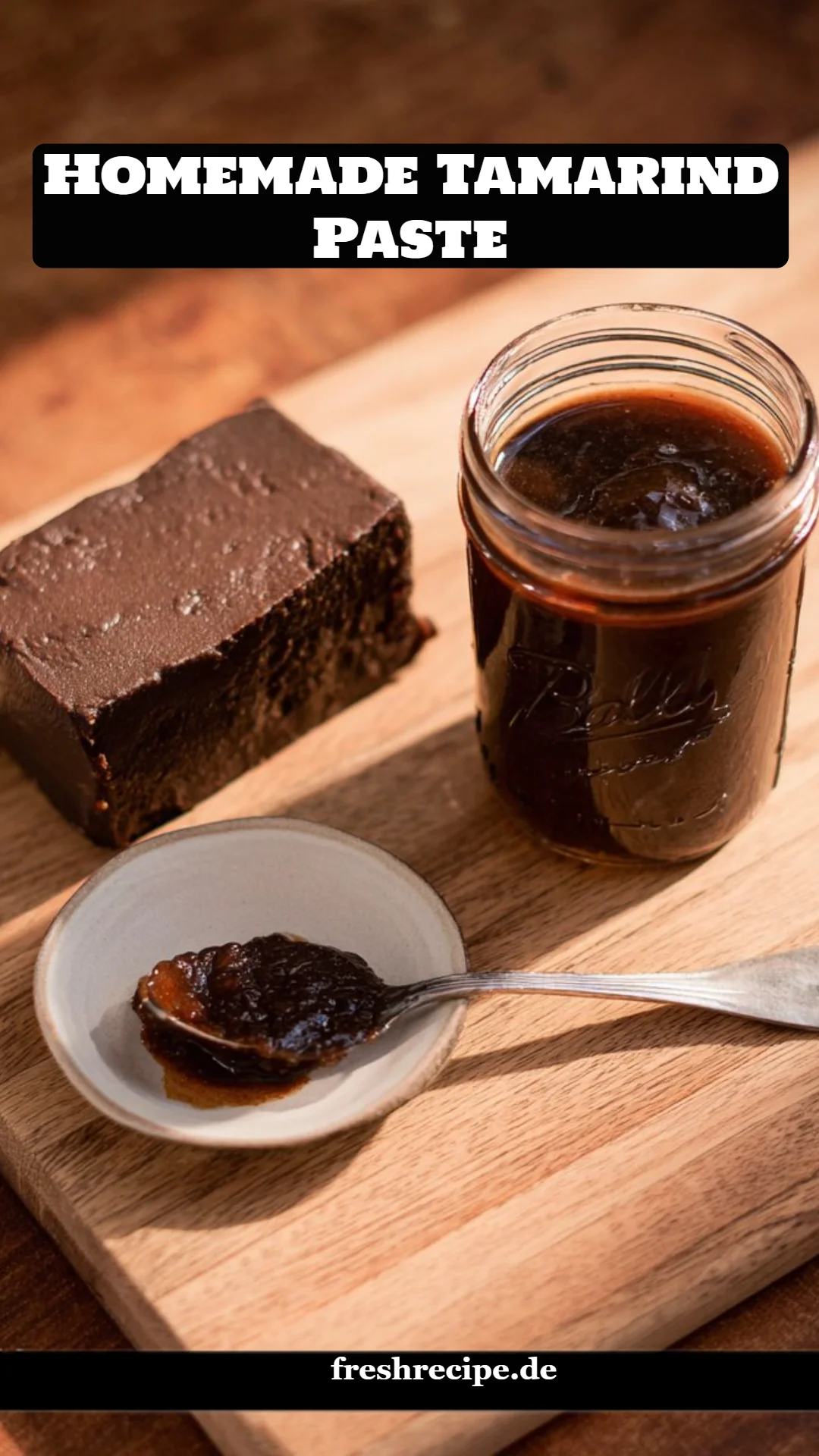
Tamarind paste is a delightful ingredient derived from the fruit of the tamarind tree, which is native to Africa but widely grown in tropical regions worldwide. The fruit is encased in a brown pod, and once the pulp is extracted, it offers a complex flavor profile: a dynamic balance of sweet and sour with earthy undertones. When you taste homemade tamarind paste, you will immediately notice its unique thick texture and dark brown richness that elevates any dish.
Homemade tamarind paste should be on your go-to list when you want to add depth to culinary creations. It’s particularly great for enhancing Indian and Southeast Asian dishes or simply to create a zesty dipping sauce. Making it from scratch allows you to control the fragrance and intensity of the flavor, making it a truly personalized experience.
Why You’ll Love This Recipe
Freshness You Can Taste: Unlike store-bought brands that may contain preservatives or artificial flavors, my homemade tamarind paste is pure and fresh. You’ll savor every drop, knowing it’s made from quality ingredients.
Cost-Effective: Making your own tamarind paste saves you money in the long run. A half-pound of tamarind pulp yields a generous amount of paste, much more than a store-bought jar, which can be pricey for smaller quantities.
Customizable Flavor: You can control the fusion of flavors by adjusting the water ratio, concentrating the flavors to suit your dish. Love it tangier? Just add a touch more tamarind!
Flexible Storage: You can easily store your homemade concoction in jars or freeze them in ice cubes for quick access. No more worrying about expiration dates; you can control your stock!
Quick and Simple: This recipe doesn’t require hours in the kitchen. In just about 30 minutes, you’ll have delicious homemade tamarind paste.
So why settle for the mundane when the extraordinary wait for you? Let’s roll up our sleeves and dive into the vibrant world of homemade tamarind paste!
Ingredients
- 1/2 lb seedless tamarind pulp: Look for high-quality tamarind pulp at your local Indian or Asian grocery stores. Brands like Swad or Deep are great choices!
- 2 cups hot water: Use freshly boiled water to help break down the pulp efficiently.
- 1/2 cup room temperature water: This will help rinse the pulp and create a smoother paste.
Prep Notes: Make sure your tamarind pulp is seedless for an easier process. You may substitute tamarind blocks if necessary but ensure it’s properly de-seeded beforehand.
Step-by-Step Instructions
Prep the Pulp: Pull apart your tamarind block into small chunks and place them in a large heat-proof mixing bowl. Be careful of any seeds that might still be present.
Hydrate the Pulp: Pour the hot water over the tamarind chunks and let them sit until cool enough to handle, about 20 minutes. You’ll notice the pulp softens and absorbs the water beautifully.
Squeeze & Scrunch: Using clean hands, squeeze and scrunch the pulp to loosen it from the fibers for a smoothie-like consistency. This is where the magic happens, and the aromas will be intoxicating!
Strain the Mixture: Strain the mixture through a fine-mesh sieve into a pot. You can add more hot water if the mixture is too thick at this stage; aim for a thick paste that flows easily.
Rinse the Remaining Pulp: Gradually pour 1/2 cup of room temperature water over the remaining fibers in the sieve to rinse off the last bits of tamarind. Squeeze the mixture to extract every drop.
Heat it Up: Heat the tamarind paste over medium-high heat until it starts to boil, stirring constantly for about 4-5 minutes. This will intensify the flavor.
Store the Paste: Transfer the hot tamarind paste to small mason jars. Close the lids while still hot and allow to cool before refrigerating. You can also freeze in ice cube trays for portioned use later on!
Enjoy: Use your homemade tamarind paste in curries, chutneys, or as a zingy marinade for meats. The possibilities are endless!
Chef’s Tips:
- Avoid letting the paste overheat; stir constantly to prevent burning.
- Always taste and adjust while cooking; you can balance flavors as needed.
Common Mistakes to Avoid:
- Not properly straining the mixture can lead to a gritty texture. Take your time here!
Expert Tips & Tricks
Storage Recommendations: Store in an airtight container in the refrigerator for up to three weeks or freeze for up to six months.
Make-Ahead Instructions: You can prepare the paste ahead of time, using it as needed. This is ideal for meal prepping for busy weeks!
Troubleshoot: If your tamarind paste turns out too thick, you can thin it out with a bit of hot water. If it’s too acidic, try adding a small pinch of sugar to balance it.
Consistency Control: For a thicker paste, reduce the boiling time, or for a runnier consistency, add more water to the cooking process.
Flavor Enhancement: Add a dash of salt while cooking to elevate the overall taste—trust me, it makes a difference!
Experiment: Don’t hesitate to play with spices! Add in a touch of chili powder or garlic for a spicy kick.
Serving Suggestions
Homemade tamarind paste is incredibly versatile! Here are a few ideas for serving:
- As a Sauce: Drizzle over grilled meats or fish for a tangy finish.
- Dipping Sauce: Serve alongside crispy spring rolls or pakoras.
- Flavor Booster: Incorporate into vegetable stir-fries or rice dishes for a flavorful punch.
For presentation, try serving in rustic ramekins with a sprinkle of fresh cilantro on top for color and garnish. Perfect for family dinners or casual get-togethers!
Variations & Substitutions
Feel free to get creative with your homemade tamarind paste!
- Sweet Tamarind Paste: Add sugar or honey to the tamarind while cooking for a sweet version.
- Spicy Tamarind Paste: Mix with chili powder for an exciting kick, or add garlic for depth.
- Herbed Variations: Infuse the paste with fresh herbs like coriander or mint for a refreshing twist.
If you have dietary restrictions, worry not! This recipe is naturally gluten-free and vegetarian, making it accessible for everyone.
Nutrition & Storage Info
- Prep Time: 15 minutes
- Cook Time: 10 minutes
- Total Time: 25 minutes
- Yield: Approximately 1 cup of tamarind paste (Serves 8)
Estimated Calories: Roughly 30 calories per tablespoon.
Storage Instructions:
- Room Temperature: Not recommended
- Refrigerator: Up to 3 weeks
- Freezer: Up to 6 months in airtight containers.
FAQ Section
Can I use fresh tamarind pods?
Yes! Just open the pods, remove the seeds, and follow the same steps with the fresh pulp.What can I substitute if I can’t find tamarind pulp?
You can use lemon or lime juice as a substitute although the flavor will differ significantly.How thick should my paste be?
Aim for a smooth consistency similar to a thick barbecue sauce.Can I use this recipe for cooking or just as a condiment?
Absolutely! Use it in sauces, marinades, and soups for that delightful tang.Does tamarind paste have health benefits?
Yes! Tamarind is known for its antioxidant properties and is great for digestion.Why does my tamarind paste taste sour?
The natural flavor of tamarind is quite acidic; balance it with sugar or sweet seasonings.Can I adjust the portion size?
Feel free to scale the ingredients up or down based on your needs!How do I know when the paste is ready?
It should have thickened slightly and smell aromatic once cooked.Can I add other flavors during cooking?
Yes! Spice it up with spices such as cumin or coriander for a more complex flavor.Will the paste lose flavor if frozen?
Not significantly; it will retain most of its flavor when stored properly in the freezer.
Conclusion
Homemade tamarind paste is a true treasure in the culinary world. Not only does it elevate your dishes, but it also ties us back to the joyous memories of cooking with loved ones. I’m excited for you to try this recipe—it’s not just about creating a paste; it’s about experiencing a part of culture and family tradition.
I’d love to hear how your tamarind paste turns out! Please comment below with your feedback or any variations you tried. And while you’re here, check out my other related recipes for more flavorful adventures.
Happy cooking!
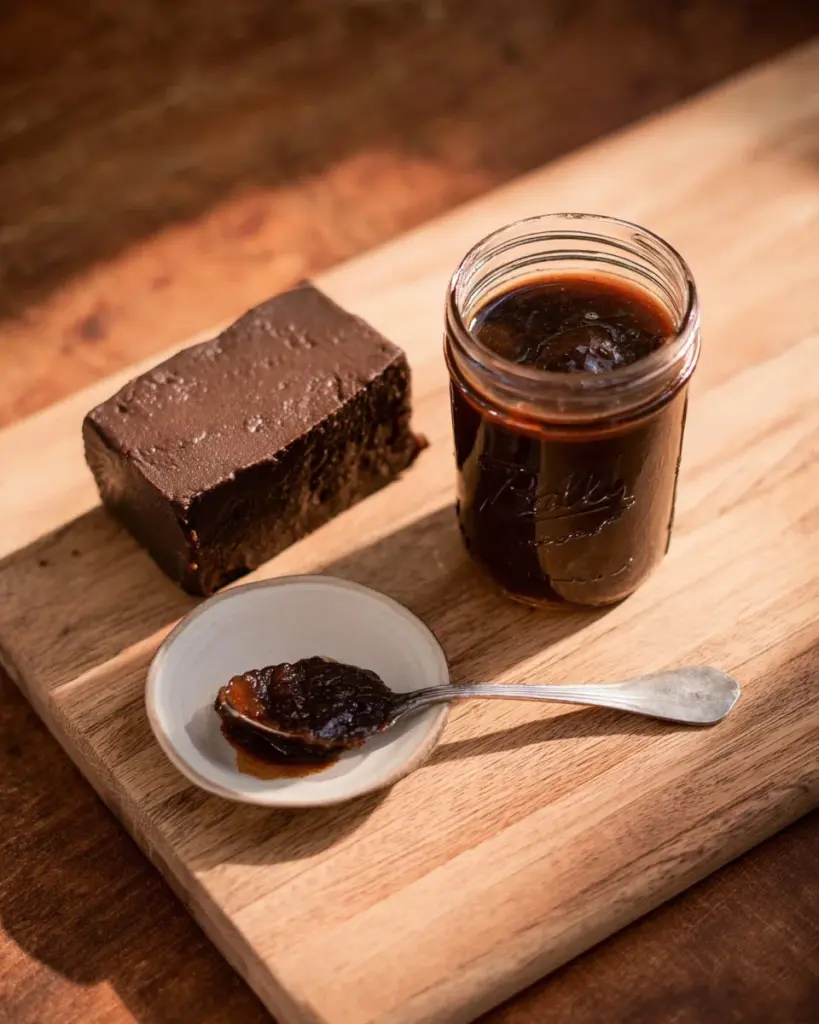
Tamarind Paste
Ingredients
Method
- Pull apart your tamarind block into small chunks and place them in a large heat-proof mixing bowl. Be careful of any seeds that might still be present.
- Pour the hot water over the tamarind chunks and let them sit until cool enough to handle, about 20 minutes.
- Using clean hands, squeeze and scrunch the pulp to loosen it from the fibers for a smoothie-like consistency.
- Strain the mixture through a fine-mesh sieve into a pot. Add more hot water if the mixture is too thick.
- Gradually pour 1/2 cup of room temperature water over the remaining fibers in the sieve to rinse off the last bits of tamarind.
- Heat the tamarind paste over medium-high heat until it starts to boil, stirring constantly for about 4-5 minutes.
- Transfer the hot tamarind paste to small mason jars. Close the lids while still hot and allow to cool before refrigerating.
- Use your homemade tamarind paste in curries, chutneys, or as a zingy marinade for meats.